
Kam Austine
Writer & Researcher of Ancient Persia
Exploring the histories, philosophies, and human stories of ancient Persia and the civilisations around it.
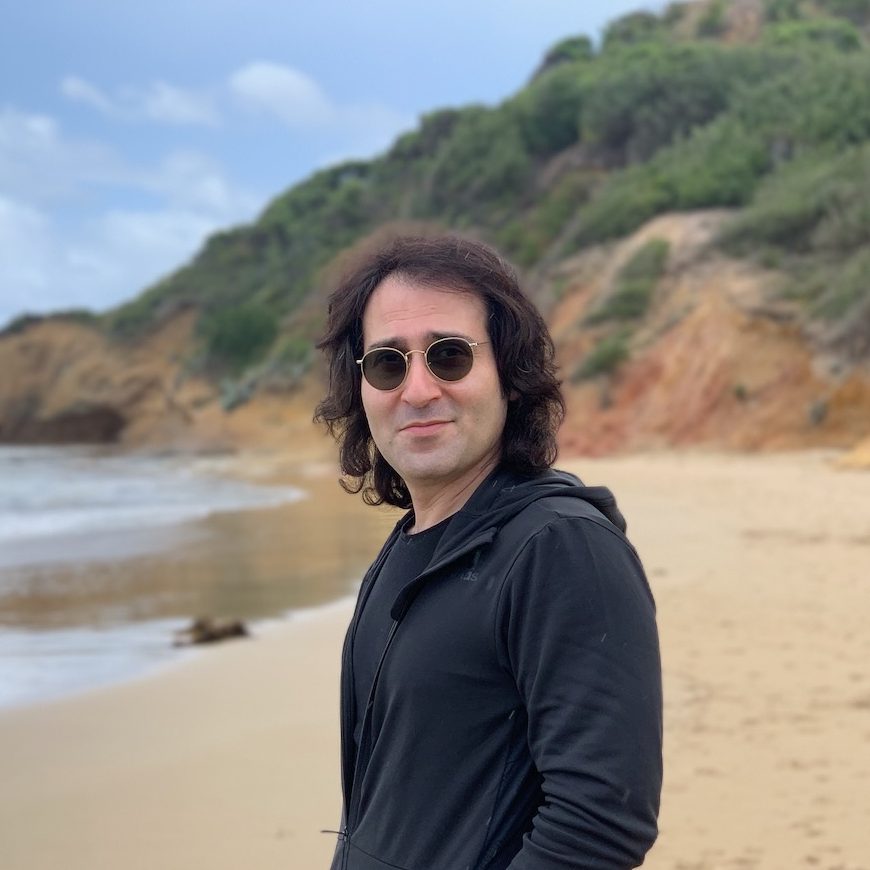
About Kam Austine
Based in Sydney and grounded in Persian heritage, my work focuses on the early Persian Empire and the historical networks that shaped it—Anshan, Elam, Babylon, Lydia, Egypt, and Greece. I study how political identity, kingship, architecture, and cultural exchange developed across these civilizations, drawing from archival research, classical sources, and visits to archaeological sites.
In parallel, I am engaged in a long-form philosophical project on Omar Khayyam—mathematician, astronomer, and poet. By examining his scientific treatises alongside his quatrains, I explore how his understanding of time, motion, fate, and the human condition shaped the existential voice found in his poetry. This is an ongoing effort to read Khayyam not merely as a poet of wine and transience, but as a thinker whose metaphysics quietly informed his verse.
The Princess of Pasargadae
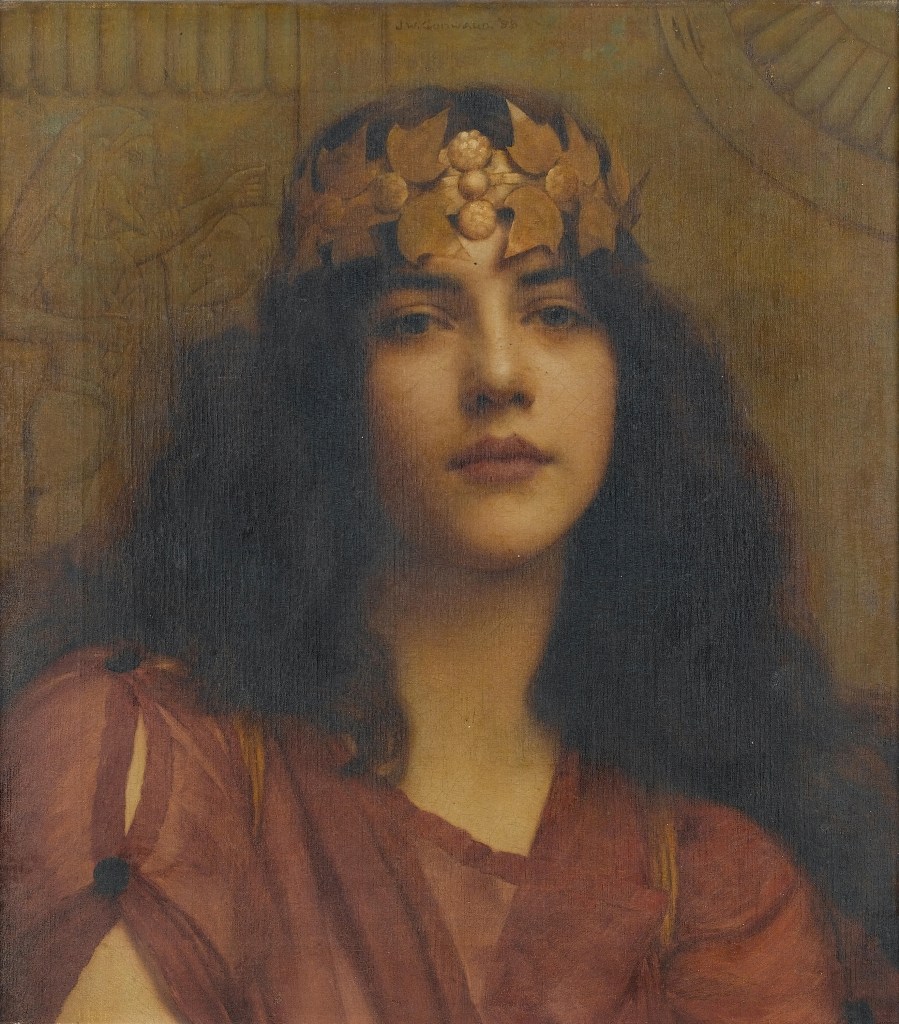
A historical novel rooted in the real tensions following the death of Cyrus the Great.
When succession fractures the empire, alliances shift, loyalties fracture, and a princess must navigate the politics of kingship, memory, and the right to rule.
This story reimagines history where records fall silent — but where human decisions shaped empires.
Painting: A Persian Princess (1898) — John William Godward
Enter the World of Ancient Persia
Origins of the Empire
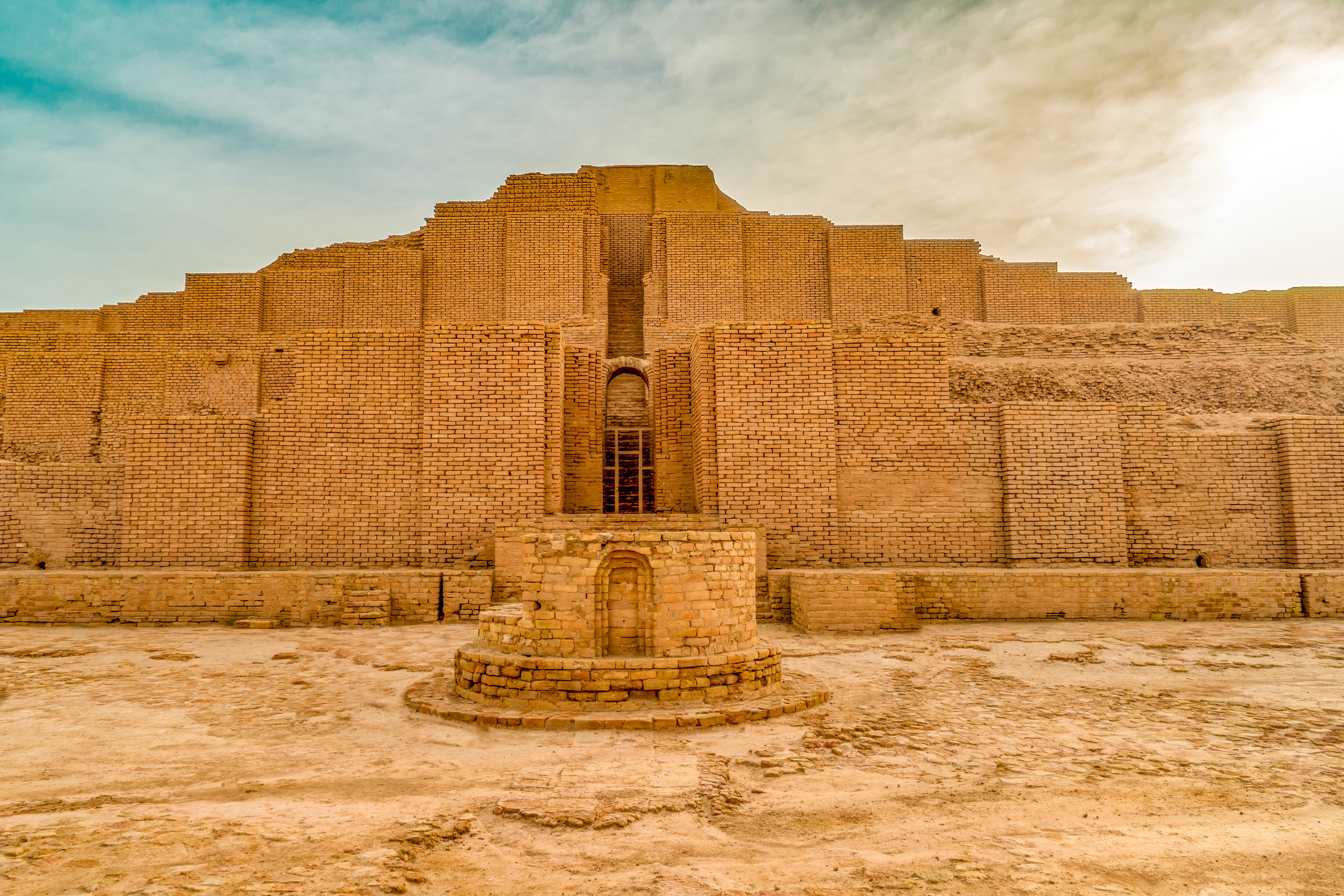
Before Persia rose to become a world power, it was a highland kingdom shaped by migration, memory, and myth. Begin your journey where the story truly starts.
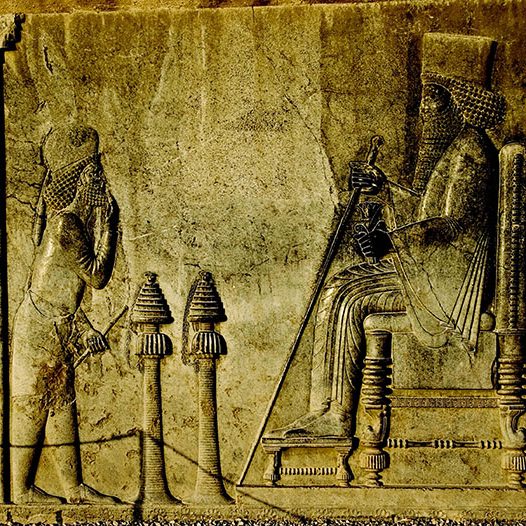
Power, Court, and Dynasty
From royal successions to political intrigue and tension, explore the figures who shaped the empire — and the forces that shaped them in return.
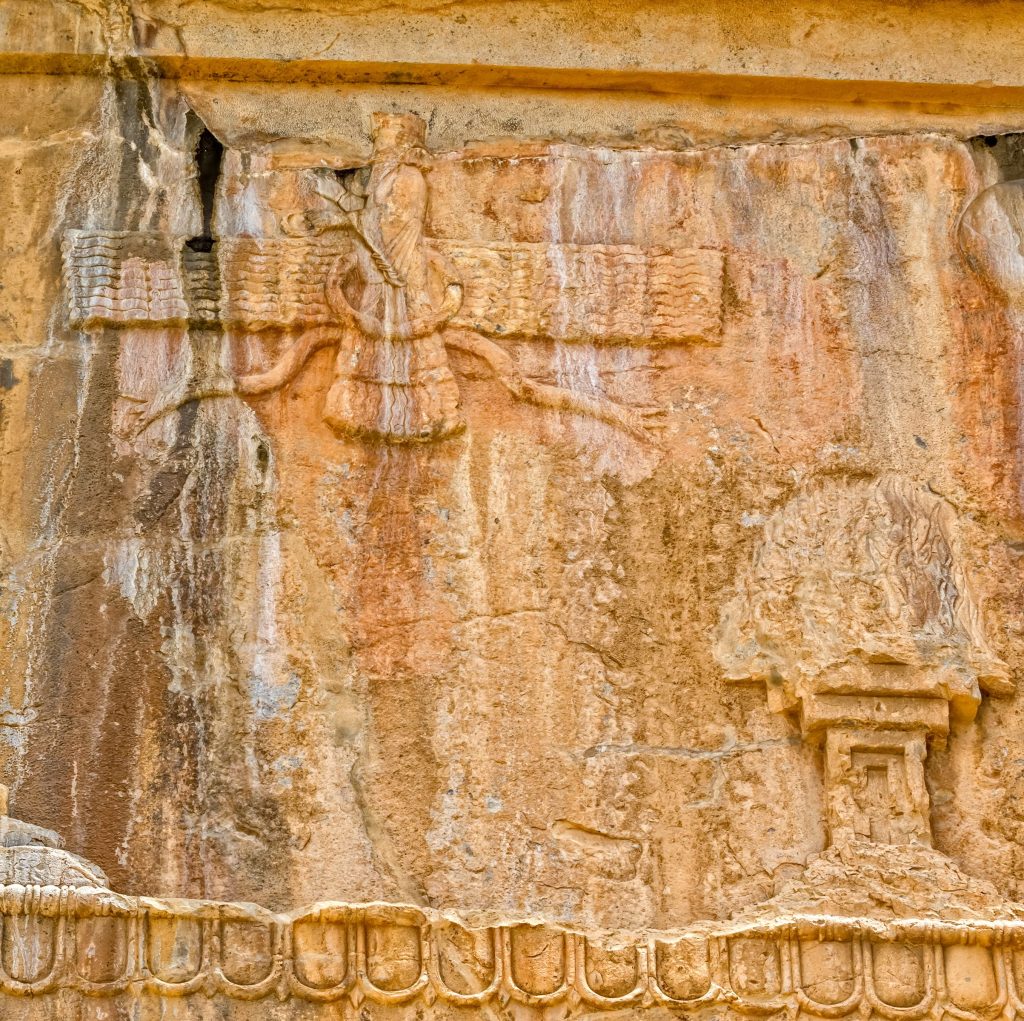
Belief, Ritual, and Meaning
The empire wasn’t held together by armies alone — but by ideas of justice, sacred fire, and cosmic order. Step inside the worldview of the ancient Persian mind.
Philosophy in Verse
A fresh re-translation of the “Rubaiyat of Omar Khayyam” that returns the verses to their original Persian clarity, wit, and philosophical subtlety—beyond the Victorian mysticism that reshaped them for Western audiences.
Khayyam’s voice is not merely poetic — it is deeply philosophical. Beneath the wine, gardens, and starlit metaphors lies a worldview shaped by Persian rationalism, early Islamic cosmology, and a lived awareness of impermanence.
These verses question certainty itself. They explore the tension between fate and choice, knowledge and mystery, the eternal and the fleeting — asking what it means to live meaningfully in a world where time moves without mercy, yet beauty remains.
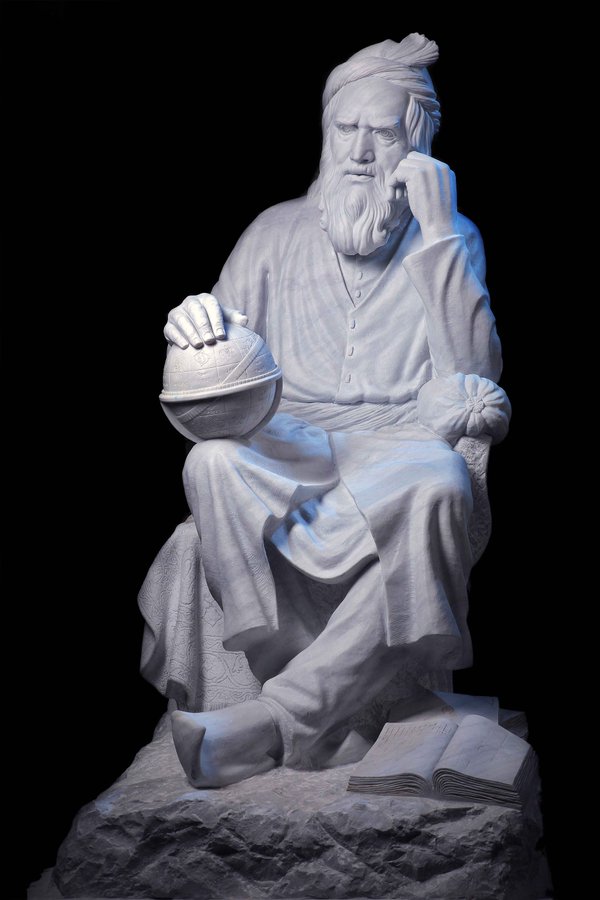
Statue of Omar Khayyam at the University of Oklahoma — philosopher, mathematician, astronomer, and poet.
An Invitation Into Three Philosophical Doors

Time & Impermanence
Khayyam reminds us that everything moves, the sun across stone, the cup across the table, the breath across the chest. To understand life, one must embrace the passing moment.

Meaning & Doubt
Not all questions need answers; some call for presence and patience, showing us that the journey of inquiry can be more meaningful than reaching a conclusion.
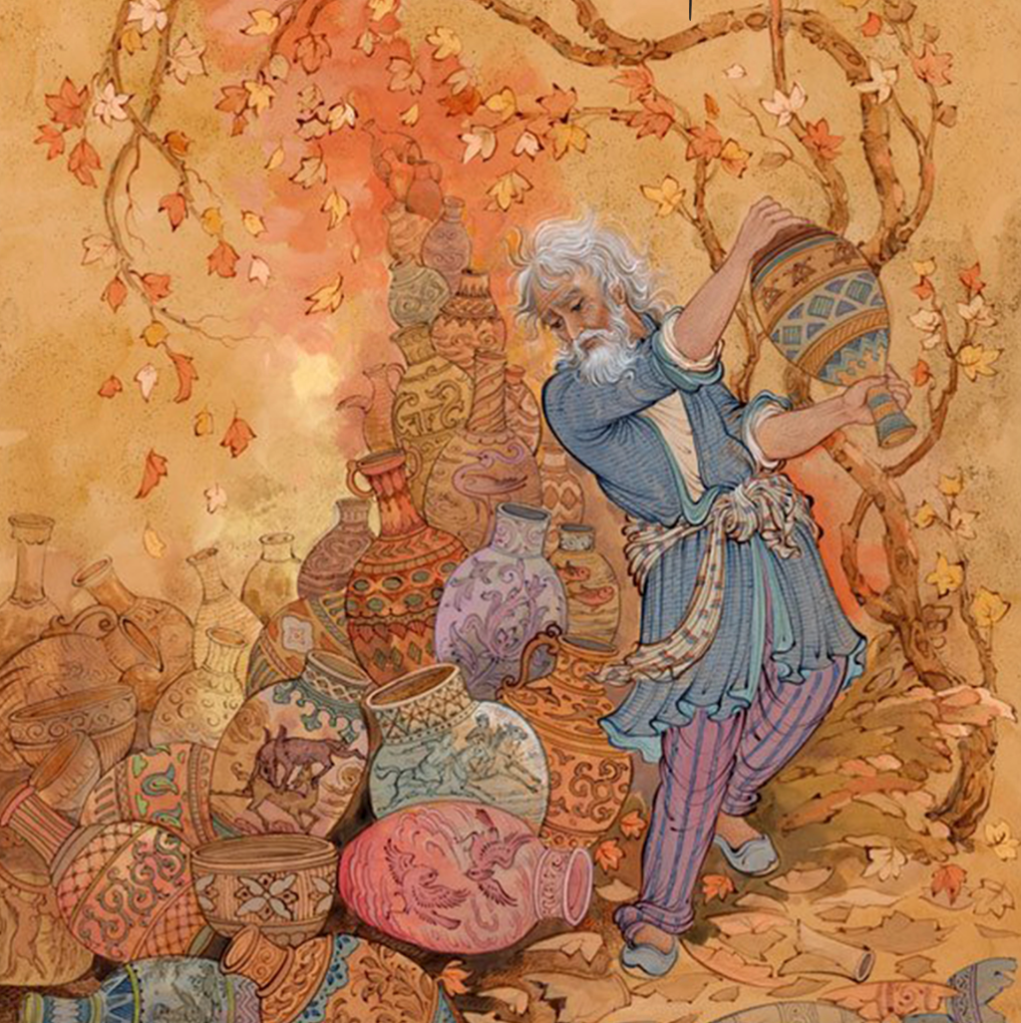
The Challenge of Creation
Khayyam questions the God shaped by certainty and fear — the God of rigid answers and inherited obedience. Instead, he turns to the divine found in wonder and doubt.


 Kam Austine