Achaemenid Empire headline

The Princess of Pasargadae headline
-
Persepolis: From Pasargadae to the Making of an Imperial Stage
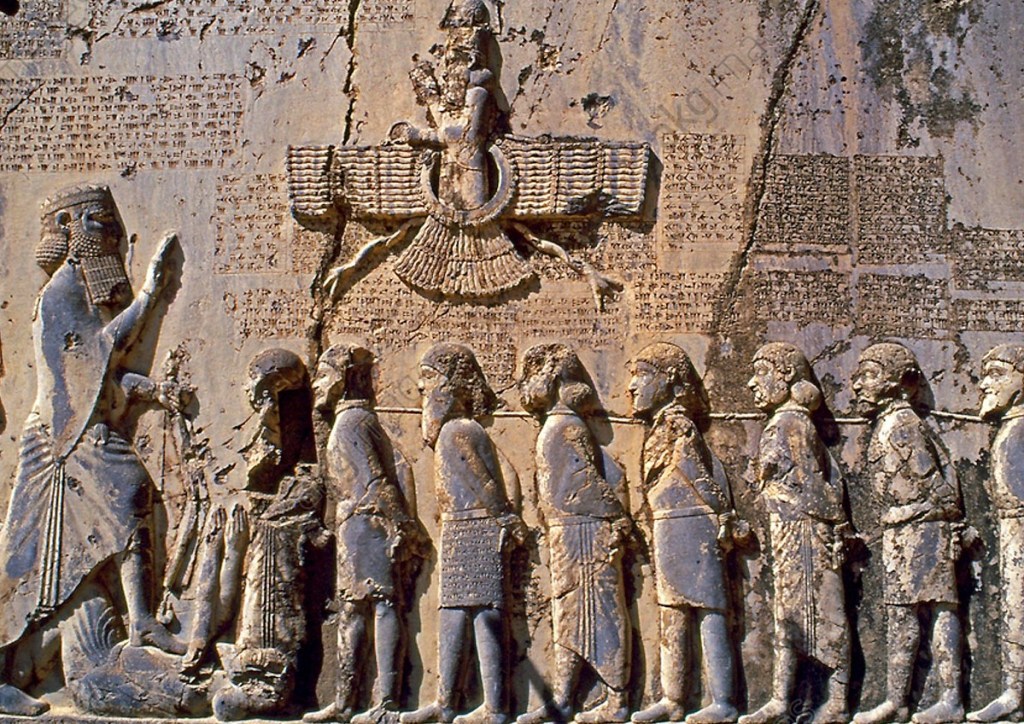
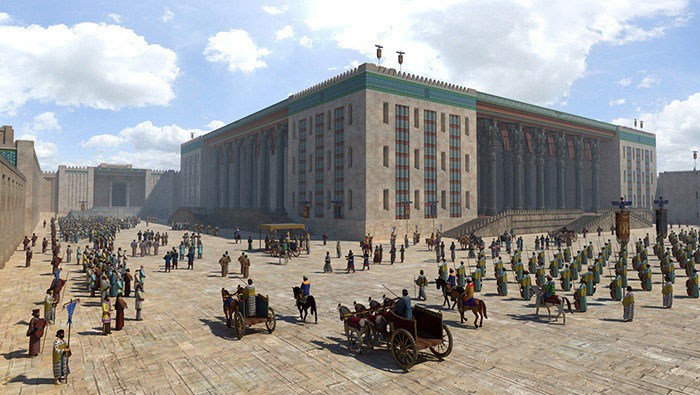
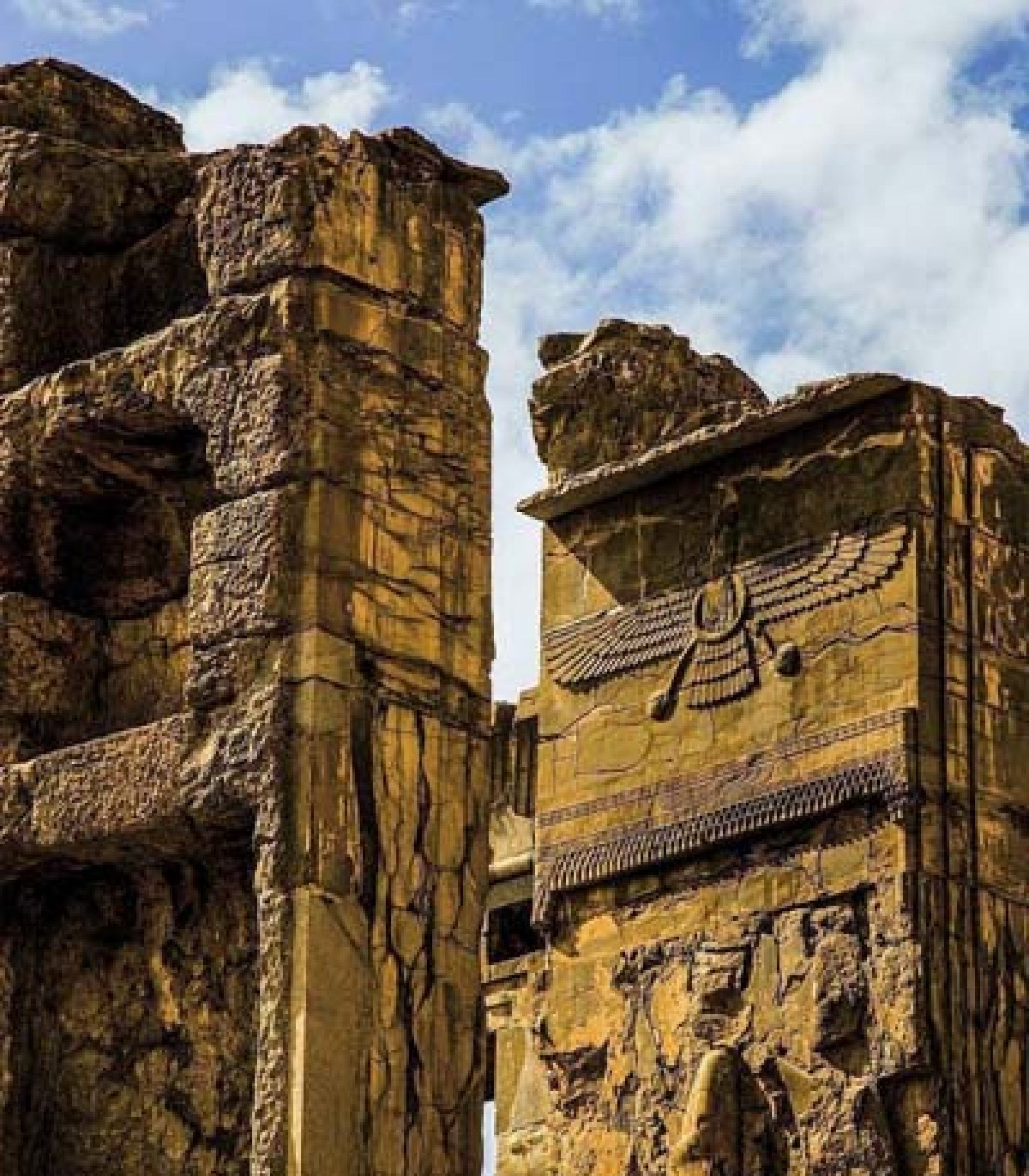
Persepolis was designed as an imperial stage to showcase Persian kingship rather than serve as an administrative capital. Unlike Pasargadae, it symbolized Darius I’s transition from personal to institutional sovereignty. Its architecture communicated ideals of order and legitimacy, with Atossa embodying dynastic continuity, cementing its role in imperial memory.
Philosophy in Verse headline
-
Those Who Wore the World Threadbare
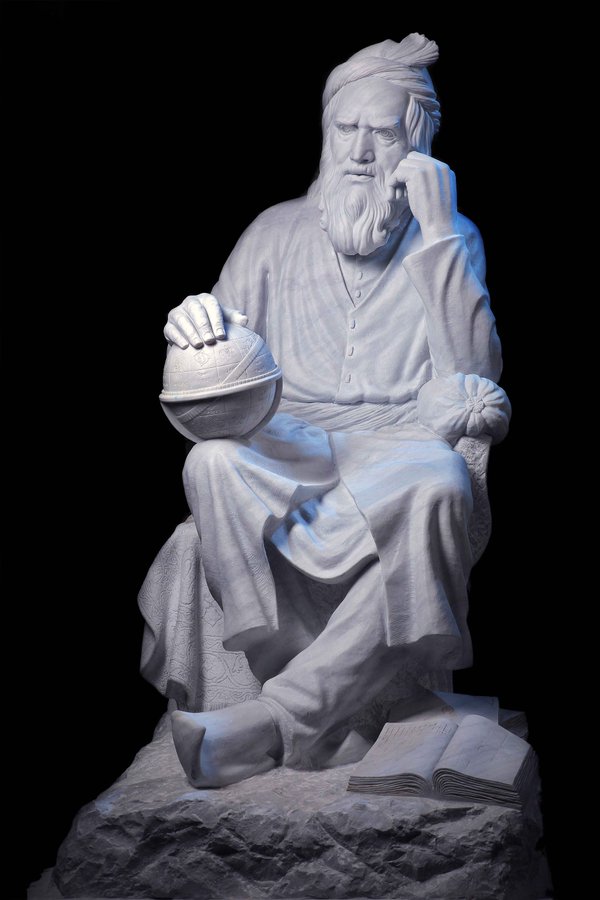
The last line of this quatrain echoes the philosophers’ own definition of their discipline: to know things as they are. Khayyam measures the great seekers — theologians, philosophers and mystics alike — against the one standard they set themselves, and declines to certify that any of them met it. The verdict is phrased as his own unawareness, and it closes on him too. What the poem withdraws is not the search but the inference from effort to knowledge.
Essays of Passing Footsteps
These writings are drawn from the margins of history, philosophy, and memory.
They are traces — of cities forgotten, of voices preserved in fragments,
of questions that outlive the ages that conceived them.
Here, we follow the line that runs from the ancient to the now.
Read slowly.
These pages open inward.
Meaning does not appear in haste.
Latest Additions
Newsletter
Ancient Science and Philosophy
-
Those Who Wore the World Threadbare
The last line of this quatrain echoes the philosophers’ own definition of their discipline: to know things as they are. Khayyam measures the great seekers — theologians, philosophers and mystics alike — against the one standard they set themselves, and declines to certify that any of them met it. The verdict is phrased as his…
-
The Books Were Closed Before You Opened Them
Khayyam dismisses the mosque and its rivals in a single breath — one word in the Persian covers synagogue, church and fire-temple alike — and then names heaven and hell as a credit and a debit. The demolition that follows is carried out entirely with licensed materials: the Preserved Tablet, written from the primordial day.…
-
Brought, Then Borne Away
Khayyam’s speaker is never the subject of a verb: he is brought, and he is carried off, by an agent the poem never names. The quatrain then searches twice for the purpose of that errand — once by reasoning from effects, since the heaven gained nothing by his coming and no glory by his going,…
Categories to Explore Further
- Achaemenid Empire (69)
- Omar Khayyam (65)
- Khayyam's Philosophy Series (12)
- Meaning & Doubt (35)
- The Challenge of Creation (13)
- Time & Impermanence (12)
- The Princess of Pasargadae (19)
Latest on Zoroastrianism
Website visits
12,952 visitors
Page views
19,705 hits