
The relationship between the Persian and Egyptian civilizations is a dynamic tale of conquest, governance, and cultural exchange. The Persians, expanding their Achaemenid empire under Cyrus the Great and Cambyses II, were among the few foreign powers to successfully conquer Egypt. Their rule brought significant administrative changes while incorporating existing Egyptian structures. Despite numerous rebellions and periods of native resurgence, the Persian legacy in Egypt left an indelible mark on Egyptian art, architecture, and governance.
This article delves into the Egyptian-Persian relationship, exploring the conflicts, cooperation, and cultural exchanges that shaped their shared history.
Initial Encounters and Conflicts
The initial interactions between Persia and Egypt were indirect, with the two civilizations separated by geography and intervening powers like the Babylonian and Assyrian empires. However, as Persia expanded under Cyrus the Great, it set its sights on the wealthy and strategically significant Nile Valley.
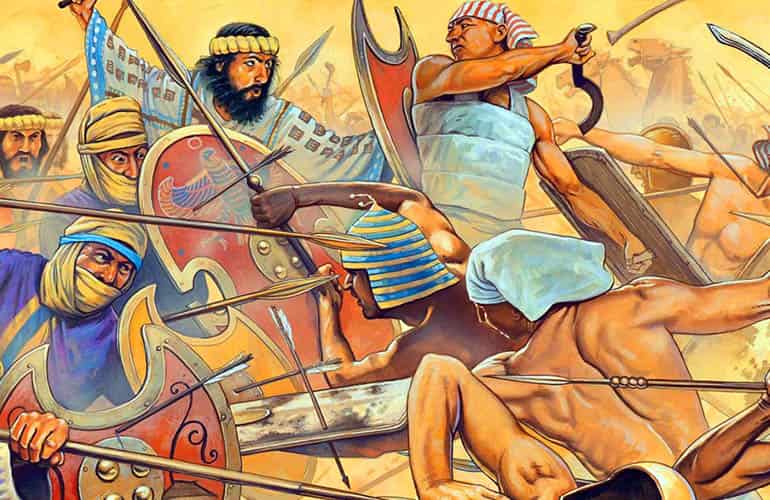
Cambyses II, Cyrus’s successor, led a successful campaign against Egypt in 525 BC. The Egyptian pharaoh Psamtik III was defeated at the Battle of Pelusium, marking the beginning of Persian rule over Egypt. Cambyses declared himself Pharaoh and established the 27th Dynasty, bringing Egypt under the Achaemenid fold.
The conquest was brutal but efficient, as Cambyses quickly consolidated his control over the Egyptian heartland. Despite initial resistance from the local nobility and religious elite, the Persians maintained order by respecting certain Egyptian traditions, blending their own administrative practices with existing structures.
Persian Governance in Egypt
During the First Persian Period, or the 27th Dynasty, the Achaemenids sought to integrate Egypt into their broader empire while maintaining a level of local administrative continuity. Cambyses II initially attempted to respect Egyptian customs and the powerful priesthood, although accounts from Greek historians suggest that he may not have fully understood the religious significance of certain practices.
Despite these challenges, the Persians maintained a dual system of governance. They appointed a satrap, or governor, to oversee Egypt on behalf of the Persian king while allowing Egyptian local officials to continue their roles. This approach facilitated efficient tax collection and maintained some stability in the daily lives of Egyptians. The satrap’s responsibilities included ensuring the regular tribute to Persia, managing local defense forces, and maintaining control over strategic locations such as the Nile Delta.
Persian administrative practices and technology also influenced Egypt during this period. The efficient Persian postal system and roads were introduced, linking Egypt more effectively with other parts of the empire. Persian art and architecture also began to blend with Egyptian styles, resulting in an exchange that would shape the development of monumental architecture and luxury goods.
Rebellions and Restoration of Egyptian Rule
The First Persian Period faced significant resistance from the Egyptian populace, who viewed the Persians as foreign occupiers. Several large-scale rebellions erupted over the years. The most notable of these occurred under the leadership of Amyrtaeus of Sais, who managed to expel the Persians in 404 BC, restoring native Egyptian rule and inaugurating the 28th Dynasty.
The newly restored Egyptian dynasties, including the 29th and 30th, sought to reclaim their independence while defending against Persian attempts to reconquer the region. They fortified their borders and engaged in diplomatic alliances with Greek city-states like Athens to prevent further Persian incursions.
Despite their efforts, the native dynasties struggled to resist the might of the Achaemenid empire. In 343 BC, Artaxerxes III led a successful campaign to reconquer Egypt, bringing it under Persian control for the second time. This marked the beginning of the Second Persian Period.
Second Persian Period: Battles and Cooperation
During the Second Persian Period, or 31st Dynasty, Persian governance was marked by both cooperation with Egyptian elites and battles against external threats. Artaxerxes III attempted to integrate Egypt more firmly into the Achaemenid empire, introducing tighter administrative controls and appointing trusted satraps. The cooperation between the Persian administrators and Egyptian nobility helped maintain relative stability.
However, the Second Persian Period was also defined by ongoing conflicts. In addition to suppressing internal dissent, the Persians faced external threats, particularly from Alexander the Great. Alexander’s arrival marked the end of Persian rule in Egypt, and in 332 BC, he was hailed as the new Pharaoh.
Despite the tumultuous end of the Second Persian Period, the cooperation between Persian and Egyptian elites during this era influenced governance structures. Persian administrative practices and military strategies left a lasting legacy, shaping how future rulers would control Egypt.
Legacy of Egyptian-Persian Cultural Exchange
The Egyptian-Persian relationship left a significant cultural legacy on both civilizations. In Egypt, Persian influences can be seen in art, where depictions of the pharaohs began incorporating Persian styles. Persian motifs also found their way into Egyptian jewelry and luxury items.
The blending of administrative practices helped future rulers consolidate power, as many native dynasties continued employing Persian satraps or governor-like officials to manage their regions. Furthermore, the Persian road network laid the groundwork for connecting Egypt more effectively to broader trade routes.
In Persia, the fascination with Egypt remained strong. Persian kings appreciated Egyptian craftsmanship, religion, and architectural styles, which were reflected in Achaemenid capitals like Persepolis. Religious practices, such as the concept of divine kingship, further integrated elements of both cultures.
Conclusion
The Egyptian-Persian relationship offers a fascinating case study in ancient geopolitics, where cooperation, cultural exchange, and conflict coexisted amid shifting empires. The Persians’ attempts to incorporate Egypt into their broader empire resulted in the blending of traditions, from art to governance. This legacy would shape the future of Egyptian administration and leave a mark on both civilizations, reminding us of the enduring nature of cultural exchange even during times of conquest.


 Kam Austine
Leave a comment