
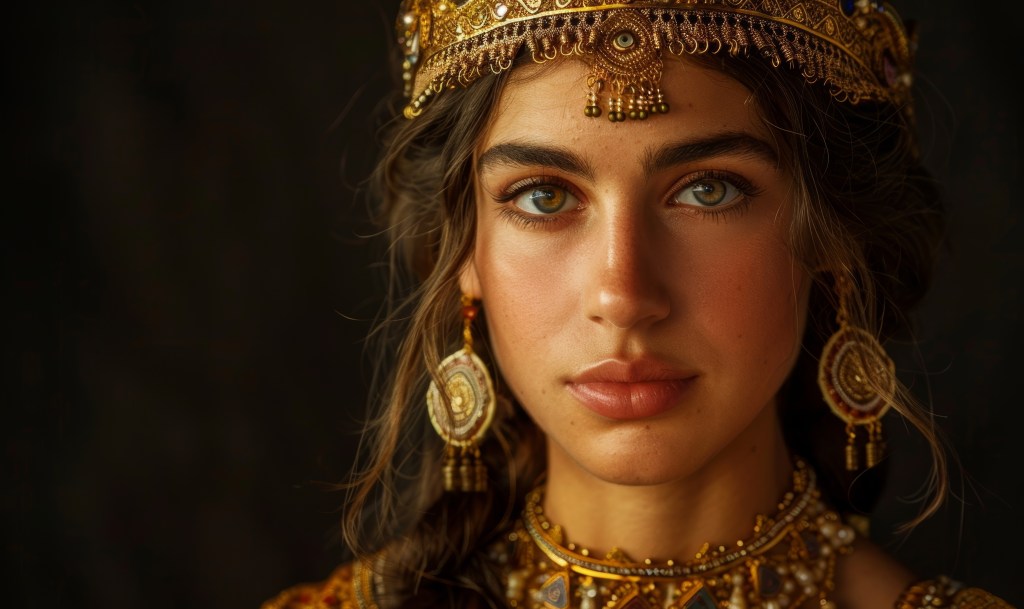
Pasargadae, the ancient capital founded by Cyrus the Great, stands as a testament to the grandeur of the Achaemenid Empire. This city, with its majestic palaces and gardens, not only served as the heart of the empire but also as the backdrop to the lives of some of the most influential women in Persian history. These queens and princesses played pivotal roles in shaping the political, cultural, and social landscape of their time. This article delves into the lives of these remarkable women, highlighting their contributions and lasting legacies.
Historical Context of Pasargadae
Pasargadae, established by Cyrus the Great in the 6th century BCE, was more than just a capital city; it was a symbol of Persian unity and power. Located in present-day Iran, it was the site where Cyrus’s vision for the Achaemenid Empire began to take shape. The city featured impressive architectural achievements, including the Tomb of Cyrus, which still stands today as a monument to his legacy.
As the center of the empire, Pasargadae was a melting pot of cultures, ideas, and people. It was here that Persian kings planned their expansions, administered their vast territories, and maintained their courts. The women of Pasargadae, particularly the queens and princesses, played crucial roles in these activities, contributing to the empire’s stability and prosperity.
Queen Cassandane: The Heart of the Empire
Cassandane, the beloved wife of Cyrus the Great, holds a significant place in Persian history. Born into the Achaemenid family, she was known for her wisdom and strength. Her marriage to Cyrus was not only a union of love but also a strategic alliance that strengthened the Achaemenid rule.
Cassandane’s influence extended beyond the private sphere into the political realm. She was deeply involved in the administrative affairs of the empire, often advising Cyrus on matters of state. Her insight and counsel were highly valued, and she played a key role in maintaining the stability of the empire during its formative years.
Her legacy continued through her children, especially her daughter Atossa, who would go on to become one of the most powerful queens in Persian history. Cassandane’s death was deeply mourned by Cyrus, who ordered a period of national mourning, underscoring her importance to both the king and the empire. Her legacy is a testament to the critical role royal women played in supporting and sustaining the Persian Empire.
Atossa: Daughter of Cyrus and Queen of Kings
Atossa, daughter of Cyrus the Great and Queen of Persia, is one of the most prominent female figures in ancient Persian history. Born into royalty, Atossa’s early life was marked by the grandeur of her father’s empire. Her marriage to Darius I not only solidified her position but also allowed her to wield considerable influence in the Achaemenid court.
Political Influence and Role in Succession
Atossa’s political acumen was evident in her ability to navigate the complex dynamics of the Persian court. She played a crucial role in securing her son Xerxes’s succession to the throne, despite the presence of other potential claimants. Her support was instrumental in ensuring that Darius’s wishes were honored, and Xerxes ascended as the rightful king.
Her influence extended beyond succession politics. Atossa was known to counsel Darius on various matters of state, providing insight and guidance that helped shape Persian policies. Her deep understanding of court politics and her strategic mind made her an invaluable advisor to the king.
Documented Case of Breast Cancer
Atossa’s historical significance is also highlighted by her documented case of breast cancer, which is considered one of the earliest known references to the disease. According to Herodotus, Atossa discovered a lump in her breast and sought the advice of Democedes, a Greek physician. His treatment, which reportedly included surgical intervention, underscores the advanced medical practices of the time and Atossa’s access to cutting-edge healthcare.
This account not only sheds light on ancient medical practices but also humanizes Atossa, presenting her as a figure who, despite her royal status, faced the same health challenges as many others. Her illness and treatment provide valuable insights into the history of medicine and the role of women in ancient healthcare narratives.
Amestris: Queen and Political Strategist
Amestris, another influential Persian queen, was married to Xerxes I and known for her political acumen and strategic influence within the Persian court. Amestris’s marriage to Xerxes strengthened her position and allowed her to play a significant role in courtly affairs.
Political Maneuvering and Influence
Amestris was deeply involved in the political intrigues of the Achaemenid court. She was known for her ruthlessness and strategic maneuvering, often working behind the scenes to secure her family’s interests. Her influence was particularly evident during the reign of her son, Artaxerxes I, where she played a pivotal role in maintaining his power and quelling rebellions.
Contributions to Persian Culture
Beyond politics, Amestris contributed to the cultural life of the Persian Empire. She supported various religious and cultural projects, which helped to reinforce the Achaemenid dynasty’s legitimacy. Her patronage of the arts and religion underscored the important role queens played in shaping the cultural landscape of the empire.
Artystone: Lesser-Known but Influential
Artystone, another daughter of Cyrus the Great, and wife of Darius I, is a lesser-known yet influential figure in Persian history. Although not as prominently recorded as Atossa or Amestris, Artystone’s contributions to the royal family and court were significant.
Role in the Royal Family
Artystone’s marriage to Darius I positioned her within the core of Persian power. She bore Darius several children, thereby securing her place in the royal lineage and contributing to the dynasty’s stability. Her presence in the court added to the strength of the Achaemenid family ties.
Influence Within the Court
While specific details about Artystone’s actions are sparse, her position as a royal wife and mother would have involved participation in court ceremonies, religious rituals, and possibly advising on domestic affairs. Her influence, though not as widely recorded, was essential in maintaining the internal harmony and continuity of the Achaemenid dynasty.
Legacy of Persian Women in Pasargadae
The collective impact of these women of Pasargadae is profound. Each played a vital role in shaping the political, cultural, and social fabric of the Persian Empire. Their contributions to governance, diplomacy, and culture underscore the significant roles women held in ancient Persian society.
Shaping Persian History and Culture
These queens and princesses not only supported their kings but also actively shaped the policies and cultural practices of their time. Their legacies are reflected in the art, architecture, and historical records that have survived, offering a glimpse into their influence and importance.
Acknowledging Women’s Roles in History
Recognizing the contributions of these women is crucial for a comprehensive understanding of Persian history. Their stories highlight the complex dynamics of power and the significant impact women had on the ancient world. By examining their lives, we gain a deeper appreciation of the rich tapestry of history and the vital roles women played in it.
Conclusion
The women of Pasargadae, from Queen Cassandane to Atossa, Amestris, and Artystone, exemplify the influential roles that women held in the Achaemenid Empire. Their political acumen, cultural contributions, and personal legacies left an indelible mark on Persian history. Understanding their stories allows us to appreciate the nuanced and multifaceted nature of ancient Persian society and the powerful women who helped shape it.

 Kam Austine
Leave a comment