

Part 2: Satraps and the Evolution of Power Dynamics
Building on the establishment and structure of satrapies discussed in Part 1, this article delves into the evolution of power dynamics within the satrapal system. From the reigns of Darius I and Xerxes I to the eventual decline of satrapal authority, we will explore the significant changes, influential satraps, and the complex relationship between Persian authority and local traditions.
Satraps Under Darius I and Xerxes I
Under Darius I, the satrapal system underwent significant reforms aimed at increasing efficiency and central control. Darius reorganised the empire into twenty satrapies, standardising tax collection and implementing a more structured administrative framework. These reforms helped to solidify the satraps’ roles as both administrators and military leaders, ensuring their loyalty to the central government.
Xerxes I continued these policies, but his reign also saw challenges to the satrapal system. The Greek Wars, particularly the failed invasion of Greece, strained the empire’s resources and exposed weaknesses in the satrapal governance. Despite these challenges, the satraps remained crucial to maintaining the empire’s stability.
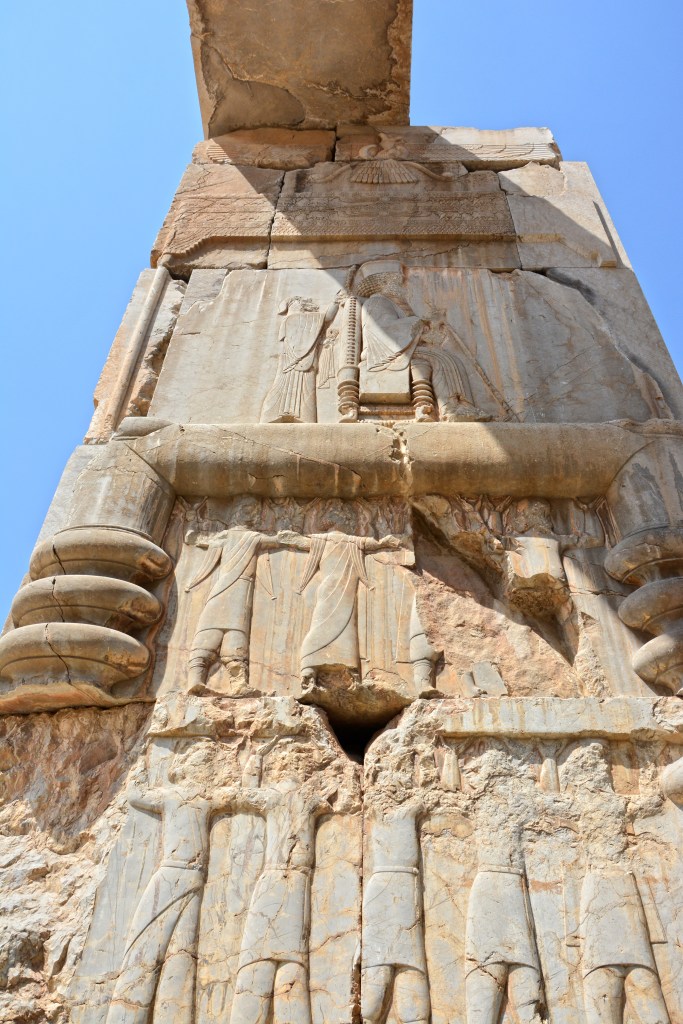
Case Studies of Influential Satraps
- Artaphernes: As the satrap of Lydia, Artaphernes played a vital role in suppressing the Ionian Revolt and maintaining Persian control over the Greek cities of Asia Minor. His effective governance and military acumen were crucial to the empire’s stability in the region.
- Ariobarzanes: Known for his defense of Persia during Alexander the Great’s invasion, Ariobarzanes was a satrap who demonstrated exceptional loyalty and bravery. His stand at the Battle of the Persian Gate delayed Alexander’s advance, highlighting the military role of satraps.
- Pharnabazus: As the satrap of Phrygia, Pharnabazus was instrumental in the Persian efforts during the Peloponnesian War. His ability to negotiate with Greek states and manage resources effectively showcased the diplomatic skills required of a satrap.
Satraps and Local Cultures
One of the significant aspects of the satrapal system was the balance between Persian authority and local customs. Satraps were often chosen for their ability to understand and integrate local traditions into the broader imperial framework. This approach helped in minimising resistance and ensuring smoother governance.
For instance, in Egypt, satraps like Aryandes adopted many of the local administrative practices and religious traditions to gain the loyalty of the Egyptian populace. This strategy of cultural assimilation was crucial for maintaining stability in such a diverse empire.
Military Role of Satraps
Satraps were not only administrators but also military leaders responsible for the defense and expansion of the empire. They maintained provincial armies and fortifications, ensuring the security of their regions against internal and external threats. Satraps often led military campaigns on behalf of the king, demonstrating their critical role in the empire’s military strategy.
Key military engagements led by satraps included the suppression of rebellions and defense against invasions. For example, Tissaphernes, the satrap of Lydia and Caria, played a significant role in the Persian efforts during the Peloponnesian War, demonstrating the dual administrative and military responsibilities of satraps.
The Decline of Satrapal Power
The decline of satrapal power can be attributed to several factors, including the increasing centralisation of authority by later kings and the rise of local rebellions. As the empire expanded, maintaining control over distant satrapies became more challenging. Corruption and inefficiency within the satrapal system also contributed to its decline.
The weakening of satrapal authority was evident during the reign of Darius III, when several satraps, such as Bessus and Ariobarzanes, declared independence or defected to Alexander the Great during his conquest of Persia. This fragmentation of power marked the beginning of the end for the Achaemenid Empire.
read more on Why Did the Achaemenid Persian Empire Decline?
Legacy of the Satrapal System
Despite its eventual decline, the satrapal system left a lasting legacy on subsequent empires. The concept of provincial governance was adopted and adapted by later empires, including the Seleucid, Parthian, and Sassanian Empires, as well as the Roman and Byzantine Empires. The balance between central authority and local autonomy established by the Achaemenid satraps influenced administrative practices for centuries.
Conclusion
The role of satraps in the Achaemenid Empire was central to the administration, military strategy, and cultural integration of the vast and diverse territories. From the reforms of Darius I to the challenges faced under Xerxes I, satraps played a crucial role in maintaining the stability and cohesion of the empire. Their legacy, despite the decline of satrapal power, continued to shape the governance of subsequent empires, highlighting the enduring influence of the Achaemenid administrative system.


 Kam Austine
Leave a comment