
The Achaemenid Empire (550–330 BCE) marked a golden age not only of military conquest but also of intellectual expansion. Spanning from Egypt to the Indus Valley, Persia became a cultural crossroads where scientific, philosophical, and mathematical ideas flowed freely. This diversity allowed the Achaemenid court to foster innovations that shaped its administration, architecture, and the lives of its citizens. As the first empire to connect three continents—Asia, Africa, and Europe—Persia became a center for the exchange of knowledge from vastly different civilisations.
With the support of kings like Cyrus the Great and Darius I, the empire absorbed and synthesised knowledge from Babylon, Egypt, Greece, and India. Zoroastrianism, the dominant religious and philosophical system, infused this exchange with a moral framework that guided intellectual pursuits. This era’s developments in astronomy, medicine, architecture, and mathematics formed the bedrock of later achievements in both the Islamic Golden Age and the Renaissance.
This article explores how the Achaemenid Empire facilitated the development of key disciplines, setting the stage for more detailed follow-up posts.
1. Science and Astronomy: Gazing at the Heavens
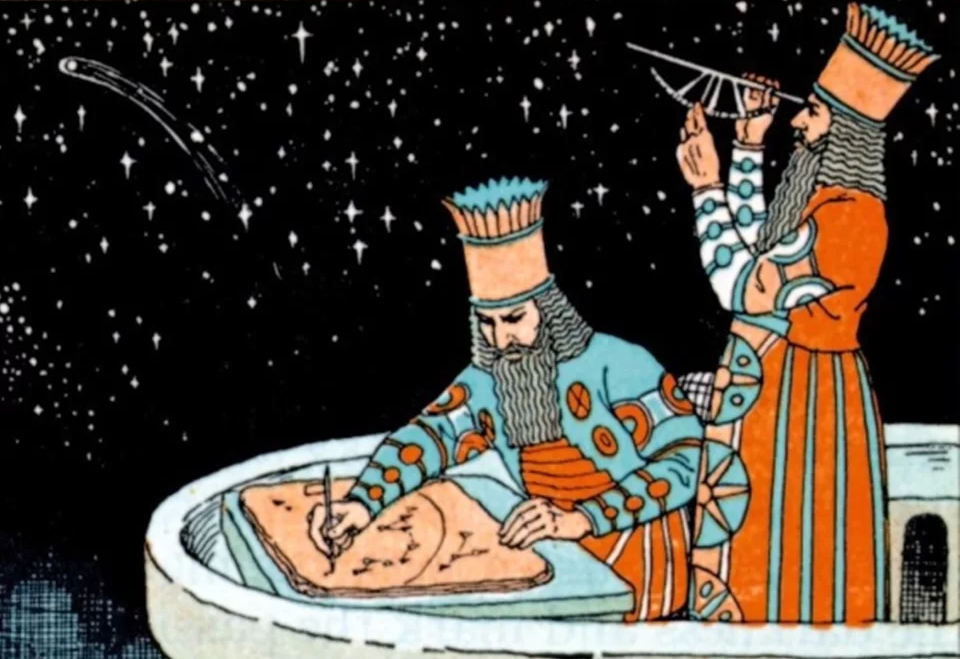
The stars have fascinated humanity since time immemorial, and the Persians were no different. The empire’s rich tradition of astronomy drew from earlier Mesopotamian and Babylonian discoveries. Babylon, with its advanced star charts, became part of the Achaemenid Empire after its conquest by Cyrus the Great. This provided Persian scholars with access to centuries of knowledge about celestial bodies.
Persian astronomers were particularly skilled at observing the movement of the stars and planets. They inherited detailed star maps from the Babylonians, which were essential for agricultural planning and religious ceremonies. These maps helped predict celestial events like eclipses, guiding both crop cycles and Zoroastrian rituals that honored the relationship between earth and sky.
- The Zoroastrian Calendar: Timekeeping was central to both agriculture and religion in Persia. The Zoroastrian calendar was based on astronomical observations, dividing the year into 12 months of 30 days, with an additional five “Gatha” days dedicated to religious celebration. This calendar, rooted in both practicality and religious observance, later influenced the development of calendars in the Islamic world and the West.
The Achaemenids built observatories where astronomers could study the stars, contributing to a tradition of celestial observation that would be refined by later Persian and Islamic scholars. These observatories, combined with data from earlier civilizations, laid the groundwork for a more precise understanding of the cosmos, which would later be expanded upon by Islamic astronomers like Al-Khwarizmi and Omar Khayyam.
2. Mathematics: The Foundation of Empire
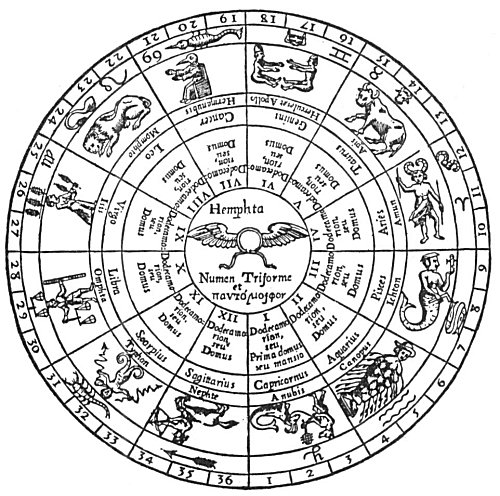
Mathematics played a crucial role in the daily governance and infrastructure of the Achaemenid Empire. Persian mathematicians, drawing on Babylonian and Egyptian knowledge, developed systems to manage agriculture, taxation, construction, and even trade. Mathematics was more than a theoretical pursuit; it was essential to the empire’s survival and growth.
- Geometry and Architecture: The magnificent palaces and monumental structures of Persia, such as Persepolis, were built using advanced geometry. Persian engineers applied mathematical principles to construct buildings that have endured for centuries. Geometry was also key to designing the intricate irrigation systems and canals, ensuring the efficient distribution of water in an otherwise arid region.
- Agricultural Planning and Taxation: The Achaemenid administration was highly efficient, and mathematics played a key role in managing the vast empire. Taxation systems were calculated based on land size and productivity, requiring sophisticated measurement techniques. These techniques were influenced by both Babylonian and Egyptian practices, which used geometry to divide land and calculate its yield.
- Currency and Trade: Persian contributions to mathematics also extended to economics. The introduction of the daric, a standardised gold coin, revolutionised the economy by facilitating trade across the empire. The coin’s value was fixed, allowing traders to conduct business with a shared understanding of wealth, regardless of region. The mathematics behind coinage and standardisation would influence future empires, including Rome.
3. Philosophy: The Intersection of Zoroastrianism and Greek Thought
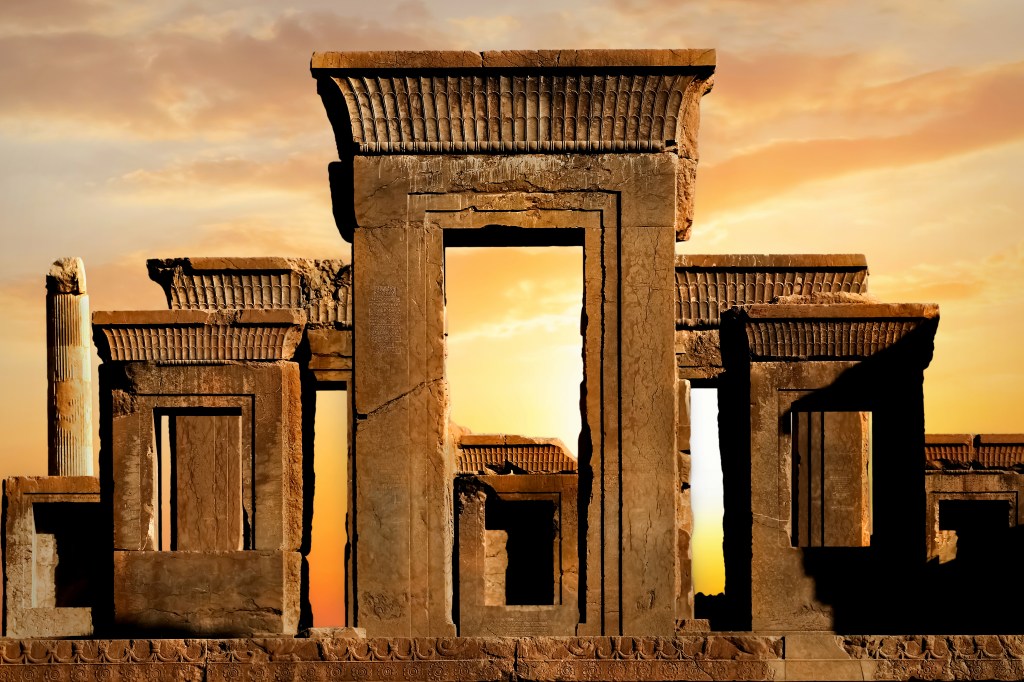
The Achaemenid Empire’s openness to different cultures allowed it to become a melting pot for philosophical ideas. At the core of this intellectual landscape was Zoroastrianism, a spiritual system that emphasized dualism—the constant struggle between good and evil—and the moral responsibilities of individuals. Zoroastrian ethics shaped Persian law and governance, teaching that rulers must act justly for the greater good of their people.
- Zoroastrian Ethics: The teachings of Zarathustra (Zoroaster) provided a philosophical foundation for Achaemenid rulers. Concepts such as Asha (truth) and Druj (lie) underscored the moral obligations of the king to maintain justice and order. Zoroastrian thought created a philosophical framework that later influenced both Eastern and Western traditions, particularly in early Christian and Islamic philosophy.
- Influence on Greek Philosophy: The conquest of Persia by Alexander the Great introduced Greek scholars to Persian thought. Although the flow of knowledge was primarily one-way after the conquest, earlier Persian ideas had already influenced pre-Socratic philosophers like Heraclitus and Anaxagoras, who were familiar with Zoroastrian dualism. Greek intellectuals admired the Persian emphasis on cosmic order and the relationship between human action and the divine.
This cross-pollination of ideas would continue during the Hellenistic period, when Persian and Greek intellectual traditions intertwined. As Persia absorbed Greek territories during the reign of Darius and Xerxes, scholars from both regions exchanged ideas in science, metaphysics, and ethics, laying the groundwork for further philosophical exploration in the Roman and Byzantine eras.

4. Medicine and Healing: The Art of Persian Physicians
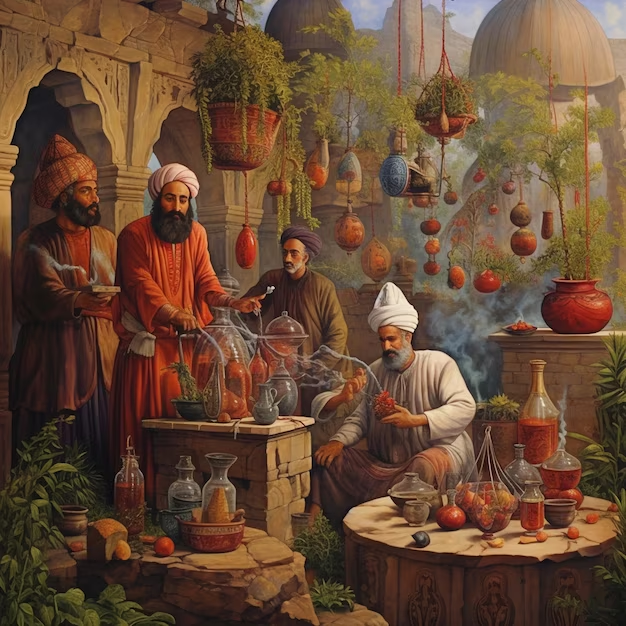
The development of medicine in the Achaemenid Empire blended Persian practices with those from Mesopotamia, Egypt, and India. Persian physicians, many of whom served in royal courts, were known for their practical knowledge of herbal medicine, surgery, and preventive care. Much of this knowledge was passed down orally and through written texts, forming a medical tradition that influenced both Greek and later Islamic medicine.
- Holistic Approach to Health: Persian medicine emphasised a balance between mind, body, and spirit, which aligned with the Zoroastrian belief in maintaining balance in the universe. Physicians like Thrita, a legendary healer mentioned in Zoroastrian texts, were known for their holistic approach to healing. They used herbal remedies to treat physical ailments and encouraged meditation and spiritual rituals to maintain mental health.
- Herbal Medicine: Persian doctors were skilled in the use of herbal remedies, particularly for pain relief and the treatment of wounds. They incorporated Indian Ayurvedic practices and Egyptian techniques into their healing repertoire. For example, opium was used as an analgesic during surgery, and various plants like turmeric and aloe vera were used as antiseptics.
- Global Influence: Persian medicine had a lasting impact on later civilizations. Persian physicians’ knowledge was passed to the Greeks, who admired their practical methods and understanding of anatomy. This exchange of medical knowledge continued into the Islamic Golden Age, when scholars like Avicenna drew upon Persian, Greek, and Indian texts to create the Canon of Medicine, one of the most influential medical texts in history.
- read more Atossa’s Breast Cancer: The First Recorded Case in History
5. Knowledge Transmission: The Achaemenid Legacy
The Achaemenid Empire played a pivotal role in the transmission of knowledge across different civilizations. Persian rulers not only absorbed knowledge from the cultures they conquered but also acted as custodians and transmitters of this knowledge.
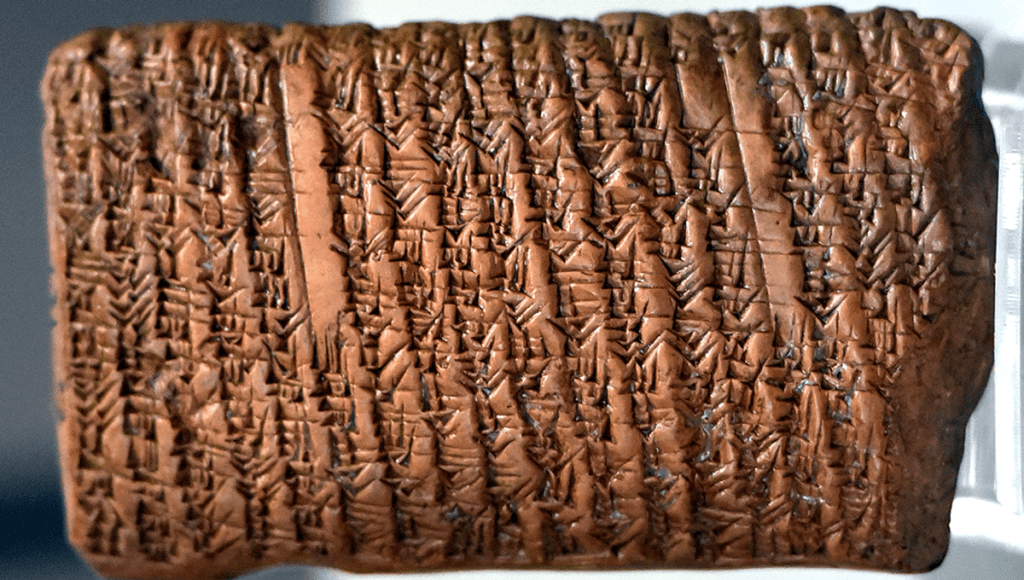
- Persian Script and Records: The creation of Old Persian cuneiform allowed the Achaemenids to record important decrees, legal codes, and religious texts. These records, inscribed on clay tablets and stone monuments, helped preserve Persian law and administrative practices for future generations. The famous Behistun Inscription, commissioned by Darius I, is a prime example of how the Persian script was used to immortalise historical events.
- Libraries and Education: The Achaemenid Empire’s libraries housed texts from across the empire, including works from Babylon, Egypt, and Greece. These libraries acted as centers of learning, where scholars could study astronomy, mathematics, and philosophy. These repositories of knowledge ensured that the scientific and philosophical advancements of earlier civilisations were not lost but passed down to future generations.
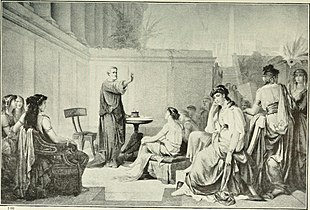
- Cultural Exchange: The Royal Road, combined with the standardized currency system, facilitated the movement of scholars, merchants, and diplomats across the empire. This exchange of ideas was crucial for the dissemination of knowledge between East and West. Greek philosophers like Pythagoras and Democritus are believed to have visited Persia, exchanging ideas with Persian scholars and learning about Zoroastrianism, astronomy, and medicine.
Conclusion: Persia’s Intellectual Legacy
The Achaemenid Empire was not only a vast political entity but also a crucible for intellectual achievement. The advancements in science, philosophy, and mathematics during this era laid the groundwork for future civilizations, influencing everything from Greek philosophy to Islamic science and European medicine. Persia’s openness to absorbing and refining knowledge from diverse cultures created a unique intellectual environment where innovation thrived.
The Persian Empire’s role as a center for knowledge transmission ensured that the scientific, mathematical, and philosophical achievements of earlier civilizations were preserved and expanded upon. From the construction of astronomical observatories to the development of advanced irrigation systems and medical…achievements, the Achaemenid Empire set the stage for the intellectual advancements that would define the ancient world and shape modern civilization.


 Kam Austine
Leave a comment