
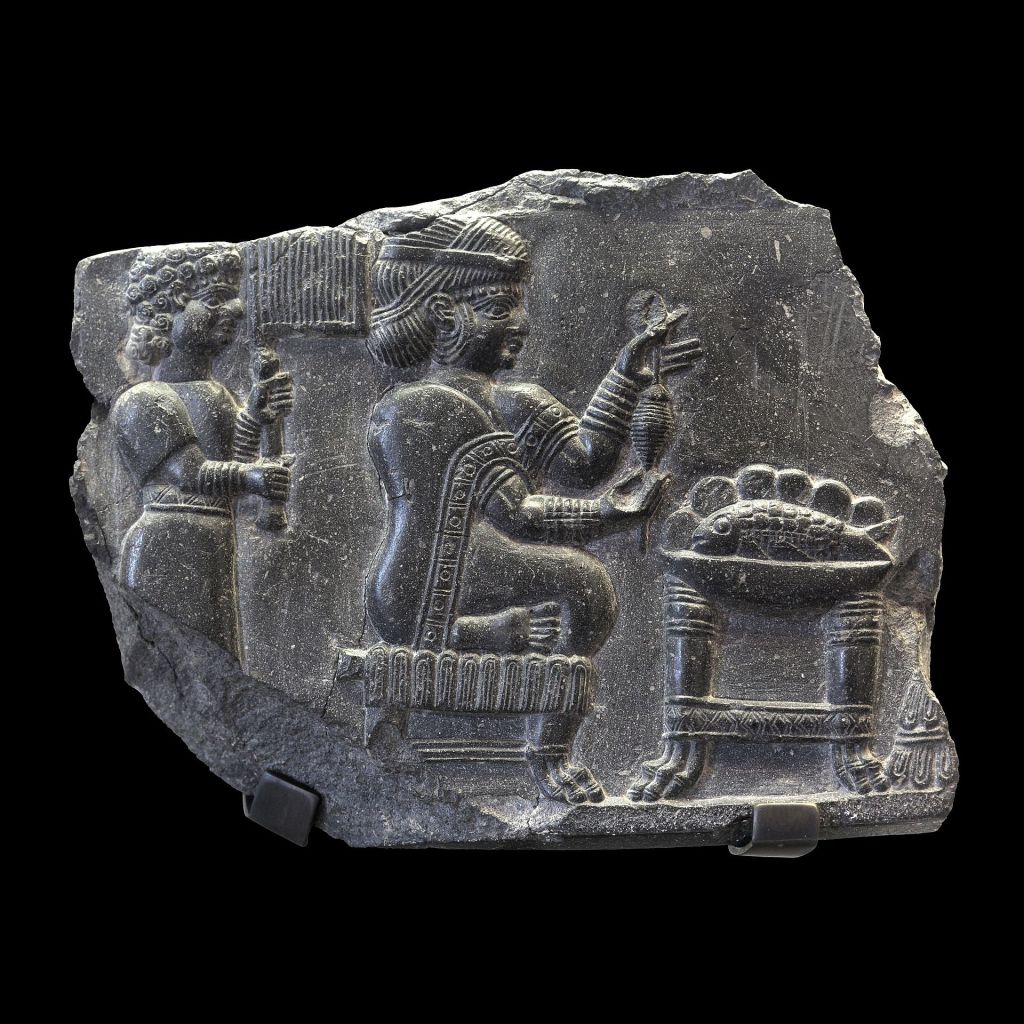
In the popular imagination, the Persian Empire begins with the swift rise of Cyrus the Great, the fall of Astyages, and the march toward Babylon. Yet the story of Persia did not begin with palaces, proclamations, or conquest. It began in the dust and wind of the Iranian plateau — among tribal federations, pastoralist herders, and merchants who carved paths across mountains and deserts. Long before Cyrus raised a standard, the people of Pars had lived as nomads and traders, tied not to walls but to routes, rhythms of the land, and the intricate web of kinship. Their way of life was no accident of history. It was the seedbed of empire.
To understand the foundations of Achaemenid greatness, we must look past the monumental stone of Persepolis and return to a world of tents, herds, and caravan trails. There, in the overlooked pre-imperial age, we find the values, practices, and networks that would one day sustain a dominion spanning three continents.
Roots in the Iranian Plateau
The ancestors of the Persians were part of the great Indo-Iranian migrations of the late second millennium BCE. These peoples — speakers of an early form of Old Iranian — moved southeast from the Eurasian steppes into the Iranian plateau, gradually settling in regions that came to be known as Media, Bactria, and Pars.
Pars, the heartland of the future Persian Empire, lies in the rugged southwestern corner of the plateau, bounded by the Zagros Mountains and open to the waters of the Persian Gulf. It was a land of seasonal extremes — arid plains in summer, snow-dusted uplands in winter — and thus perfectly suited for the semi-nomadic lifestyle that came to define its early inhabitants.
These early Persians, organised in clans and tribal confederacies, migrated seasonally with their flocks, often settling near oases, rivers, and temporary pastures. While their mobility made them difficult to govern or conquer outright, it also made them resilient and self-reliant — traits that later imperial propaganda would elevate as national virtues.
Life on the Move: Kinship and Honour
Tribal life in pre-imperial Persia was shaped by honour, ancestry, and negotiation. Leadership within clans was earned through a combination of lineage and merit, often tied to one’s ability to protect, provide, and lead in times of danger. The idea of kingship — or xšāyaθiya — would later emerge from these tribal notions of a protector-chief bound to divine truth and earthly justice.
Marriage, feasting, and poetry played central roles in cementing intertribal alliances. Oral tradition, rather than script, preserved genealogies and epic histories. Heroes were remembered not through inscriptions, but through the stories told by elders and the verses recited around firelight. In this culture of spoken memory, reputation was legacy.
Early Trade and the Pulse of the Persian Gulf
Though often portrayed as isolated, the tribes of Pars were deeply enmeshed in trade. The Persian Gulf was not a backwater — it was a maritime artery connecting southwestern Iran to Mesopotamia, Arabia, the Indus Valley, and beyond. From the 3rd millennium BCE, the Elamites had established maritime and overland trade networks stretching from Susa to Dilmun (modern Bahrain), Magan (likely Oman), and Meluhha (the Indus).
The Persians, arriving centuries later, inherited and participated in these exchanges. They traded wool, livestock, metalwork, and possibly incense and medicinal herbs. In return, they received lapis lazuli, timber, and exotic goods from lands far beyond their own. This web of trade fostered both wealth and awareness — a sense of being part of a larger world.
Archaeological finds from early Iron Age settlements in Pars show goods with Mesopotamian motifs, and evidence of interaction with Elamite scribal traditions, suggesting that long before Cyrus, the Persians were not unknown to history — just unrecorded in their own hand.
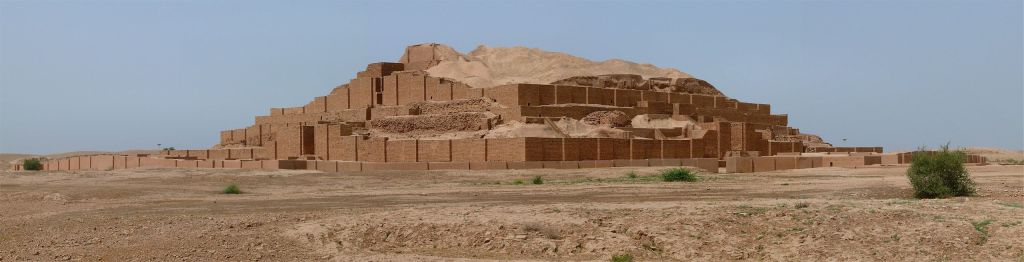
The Proto-Silk Road: Overland Routes and Eastern Exchange
Though the famed Silk Road would not be formalised until much later, its roots can be traced to the overland trade routes that already crisscrossed Central Asia and eastern Iran by the first millennium BCE. These routes connected nomadic herders and settled merchants from Bactria, Sogdiana, and Aria to the Persian tribes in the west.
Camels — introduced from Arabia — had become the backbone of long-distance trade by this time, enabling goods to pass through forbidding terrain and distant oases. From these exchanges flowed more than merchandise: religious ideas, languages, and artistic forms also moved along these paths.
The Persians, situated between the Zagros and the eastern plateau, served as intermediaries in this slow, quiet commerce. It was from these dusty paths — well worn by trade but unwritten in imperial archives — that the very concept of cultural pluralism emerged: an idea that would later find grand expression in the Achaemenid policy of tolerance and inclusion.
Proto-Zoroastrian Beliefs and the Sacred World
Religious life among the early Persian tribes was animistic and ritualistic, closely tied to the rhythms of nature. Fire, water, sky, and earth were not merely elements — they were sacred forces. Proto-Zoroastrian beliefs likely coexisted with older Indo-Iranian cosmologies, long before the formal teachings of Zoroaster (Zarathustra) would crystallise into scripture.
The idea of asha — cosmic order — was present in seed form, guiding ethical conduct and social harmony. Animal sacrifice, the maintenance of sacred fires, and seasonal festivals linked the tribes to a spiritual order greater than any single temple or priesthood.
In this religious context, kingship was not divine by right, but conditional on righteousness. A good ruler was one who upheld asha, protected the weak, and ensured justice — concepts that would later be formalised in the imperial ideology of Darius I.
Cyrus and the Inheritance of Tribal Legitimacy
By the 7th century BCE, the Achaemenid family had emerged as a leading house among the Persian tribes. They traced their lineage to Achaemenes, a semi-mythical ancestor whose name (Haxāmaniš) would later become synonymous with imperial destiny.
Cyrus the Great, born into this tribal nobility, did not arise from nothing. His legitimacy was rooted in his ability to unify disparate clans, honour ancestral traditions, and respond to the political crisis posed by Median domination. In overthrowing Astyages in 550 BCE, Cyrus did not destroy the tribal fabric of Persia — he elevated it.
His policies of respect toward conquered peoples, his diplomatic marriages, and his refusal to impose cultural hegemony all reflect a deep understanding of the tribal principle: unity through alliance, not subjugation.
From Tent to Throne: How Tribal Order Became Imperial Rule
The Persian Empire retained many features of its tribal roots. The satrapy system — whereby local governors ruled semi-autonomous regions — mirrors the delegation of authority found in confederated clans. The royal road system extended trade routes that once served nomads and merchants. Even the king’s court maintained traces of tribal protocol, from feasting rituals to forms of address.
Achaemenid kingship, despite its grandeur, was not absolute in the Assyrian sense. It was negotiated, consultative, and bound by a moral-spiritual framework inherited from a tribal past. The king was not only the ruler of cities but the guardian of a cosmic and ancestral order.
Conclusion: Forgotten Foundations
The glory of Persia did not spring fully formed from the head of Cyrus. It rose from centuries of movement, trade, survival, and shared memory. The people of Pars were not yet empire-builders — but they had laid the foundation for it through their endurance, connectivity, and sense of sacred duty.
In their nomadism, they learned adaptability. In their trade, they acquired wealth and diplomacy. In their tribal bonds, they learned loyalty and justice. All these would be transmuted — not abandoned — when Persia rose.
To understand the Achaemenid world, we must remember what came before: a people without stone monuments but rich in movement; without kings, but full of leaders; without scripture, but guided by order. Before empire, there was the tribe. And the tribe, in all its forgotten brilliance, was the first architect of Persian greatness.


 Kam Austine
Leave a comment