
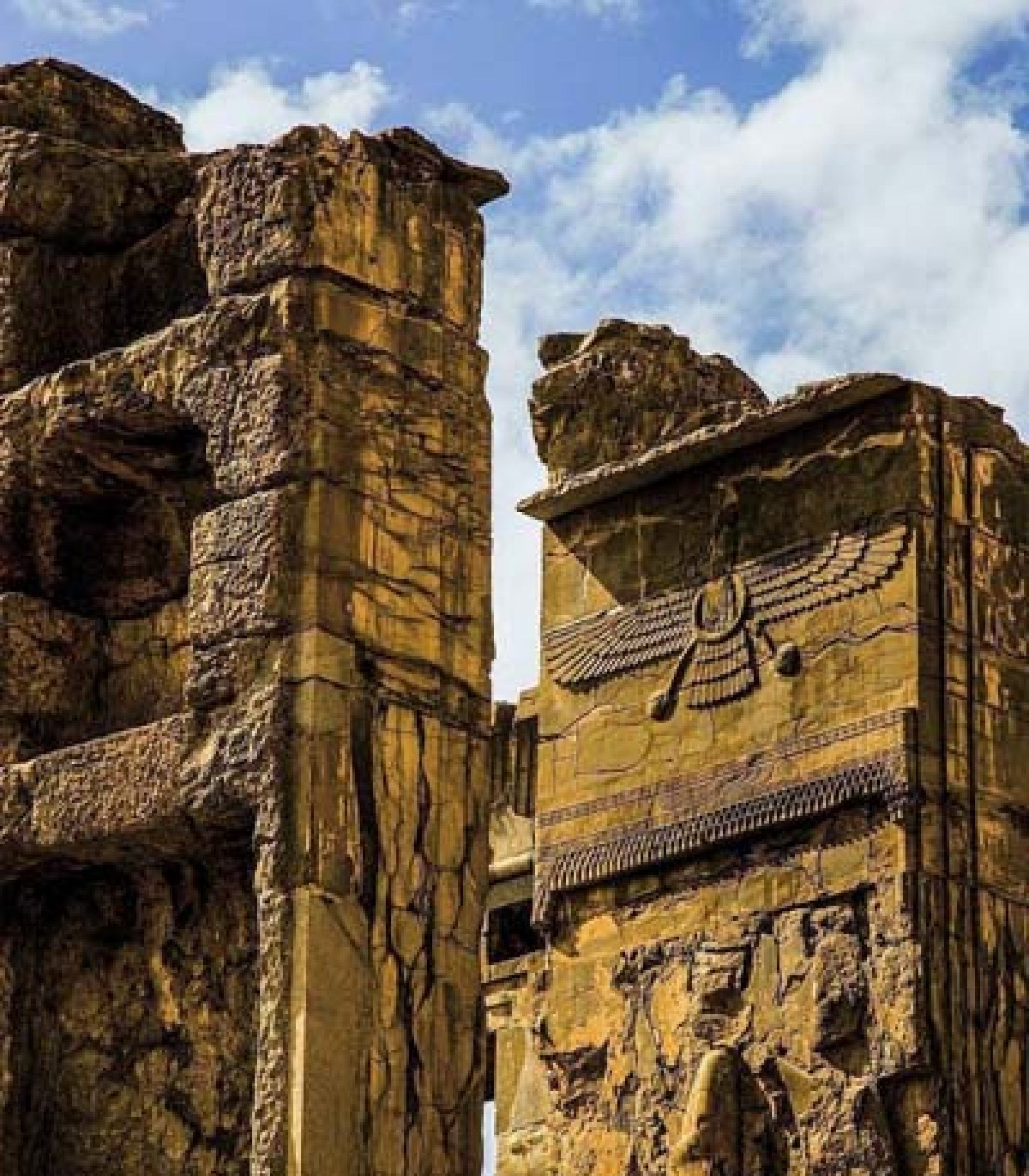
Achaemenid Empire headline
-
Fire, Purity, and Ritual: Everyday Religious Life in Achaemenid Persia
Achaemenid Persia’s religion was a lived experience rather than a formal system, embodying a Mazdaean worldview centered on truth, purity, and ethical conduct. Ritual practices were decentralized and integrated into daily life, emphasizing the importance of fire, nature, and time. This religion evolved over time, paving the way for formalized Zoroastrianism.

The Princess of Pasargadae headline
-
Persepolis: From Pasargadae to the Making of an Imperial Stage
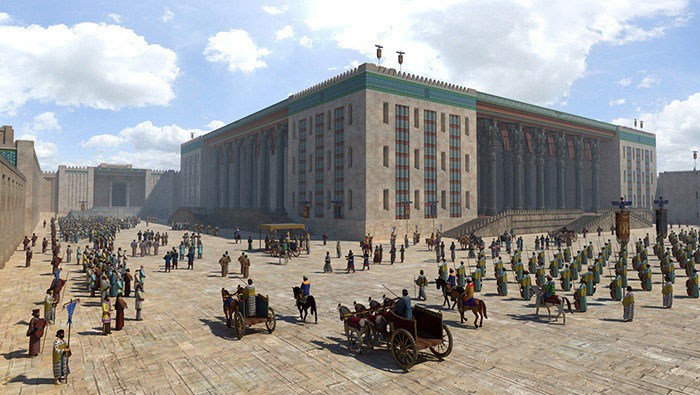
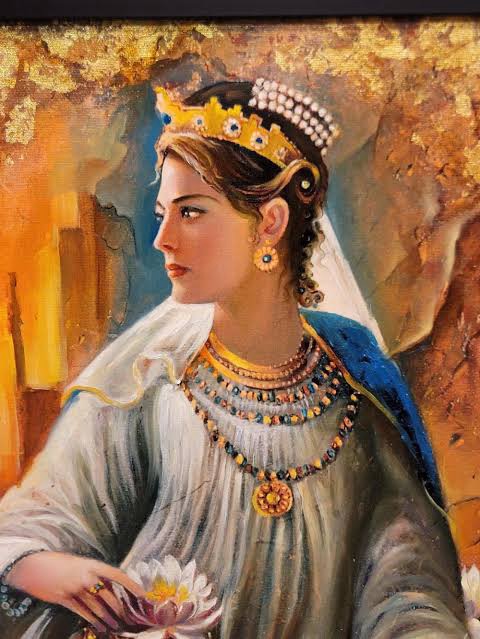
Persepolis was designed as an imperial stage to showcase Persian kingship rather than serve as an administrative capital. Unlike Pasargadae, it symbolized Darius I’s transition from personal to institutional sovereignty. Its architecture communicated ideals of order and legitimacy, with Atossa embodying dynastic continuity, cementing its role in imperial memory.
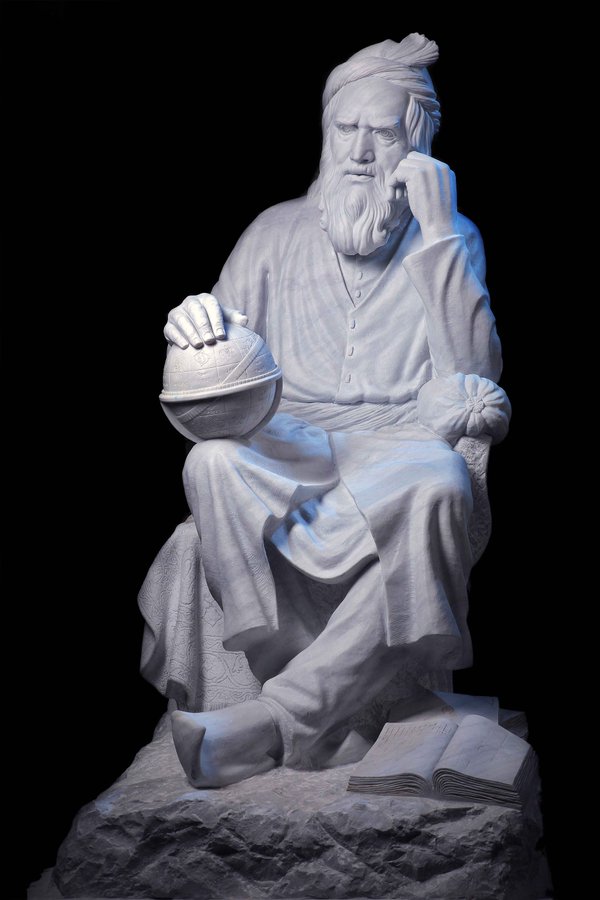
Philosophy in Verse headline
Essays of Passing Footsteps
These writings are drawn from the margins of history, philosophy, and memory.
They are traces — of cities forgotten, of voices preserved in fragments,
of questions that outlive the ages that conceived them.
Here, we follow the line that runs from the ancient to the now.
Read slowly.
These pages open inward.
Meaning does not appear in haste.
Latest Additions
Newsletter
Ancient Science and Philosophy
Categories to Explore Further
- Achaemenid Empire (53)
- Omar Kahyyam (32)
- The Princess of Pasargadae (19)
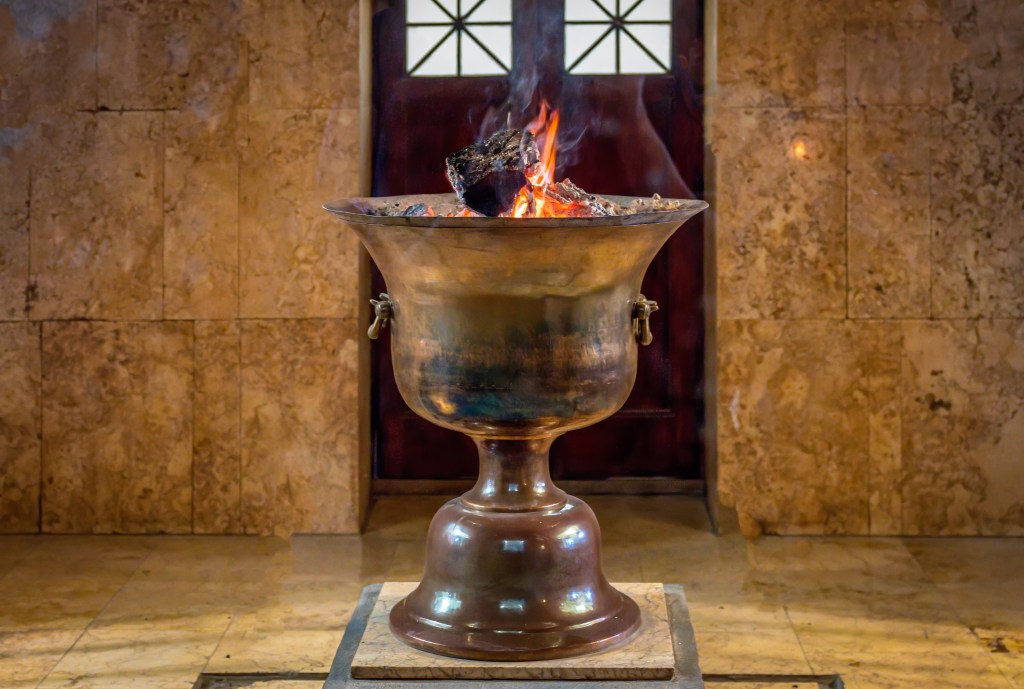
Latest on Zoroastrianism

Website visits
7,359 visitors
Page views
11,363 hits



 Kam Austine