
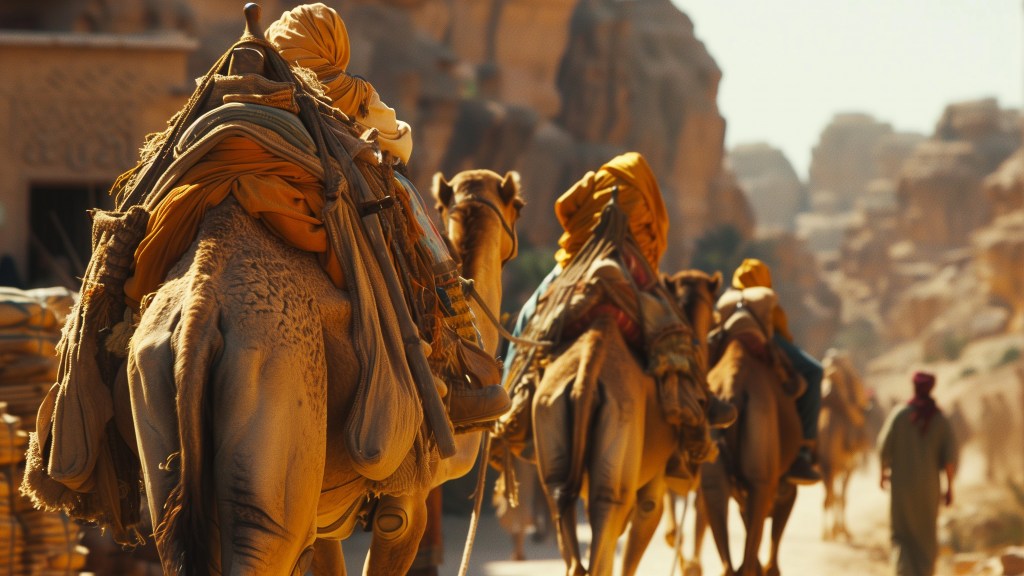
The Persian Royal Road, constructed during the reign of Darius I, was a critical infrastructure project that helped unify and maintain the vast Achaemenid Empire. Spanning approximately 2,700 kilometers (1,700 miles), this road system was instrumental in enhancing communication, trade, and military logistics. Its construction, economic and cultural impacts, military significance, and ongoing legacy make it one of the ancient world’s greatest engineering feats.

Part 1: Construction and Design
Historical Context and Route: The Royal Road was established around 500 BCE to improve communication and control within the empire. It connected key cities like Sardis in Lydia to Susa in Elam, with extensions reaching Persepolis. The route utilized existing paths, which were improved and connected by the Persian administration.
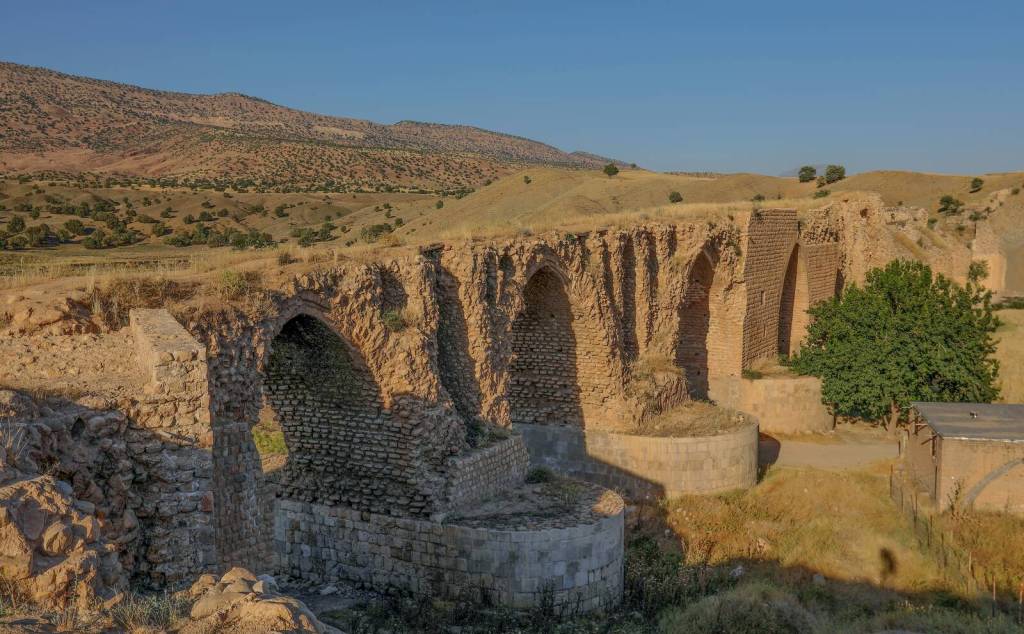
Architectural Features: The road was built with a network of way stations and rest stops, facilitating rapid travel. These stations provided fresh horses and shelter, ensuring that messengers and travelers could traverse the empire swiftly. The design incorporated local geographical features, using existing paths while enhancing them to support increased traffic and durability. The road’s construction utilized large, white limestone blocks precisely cut and fitted together without mortar, reflecting high craftsmanship and architectural knowledge.
Engineering Techniques: The construction of the Royal Road involved advanced engineering techniques for its time. The Persians implemented methods to ensure the road’s durability and usability throughout various terrains, from mountainous regions to flat plains. These techniques included proper drainage systems to prevent erosion and damage from rain, as well as reinforced foundations in areas prone to instability.
Economic and Cultural Impact
Trade Enhancement: The Royal Road revolutionized trade within the empire. By providing a reliable and efficient route, it enabled the free flow of goods such as textiles, spices, and precious metals. Merchants benefited from the road’s security and infrastructure, reducing travel time and risks. This increased the economic prosperity of the Achaemenid Empire and facilitated the exchange of goods between different regions, enriching local economies.
Cultural Exchange: The road also served as a conduit for cultural exchange, spreading ideas, languages, and technologies. This facilitated the integration of various cultures within the empire, promoting a sense of unity and shared identity. The diversity of the Achaemenid Empire was reflected in the goods and knowledge exchanged along the Royal Road. The road enabled the spread of Zoroastrianism, the main religion of the Persian Empire, as well as artistic styles and innovations in science and technology.
Part 2: Military Significance
Rapid Troop Deployment: The Royal Road was crucial for the military logistics of the Achaemenid Empire. It allowed for the rapid deployment of troops to quell rebellions and defend against invasions. The ability to move large armies quickly across vast distances was a strategic advantage that helped maintain the empire’s stability. The road’s strategic importance was evident during the Greco-Persian Wars, where the Persians used it to mobilise their forces efficiently.

Strategic Importance: Historical records, such as those by Herodotus, emphasize the road’s importance in military campaigns. The efficient postal system enabled swift communication between the central government and provincial governors, ensuring coordinated responses to military threats. This network allowed for real-time updates on enemy movements and battlefield conditions, which were critical for making strategic decisions.
Communication Network
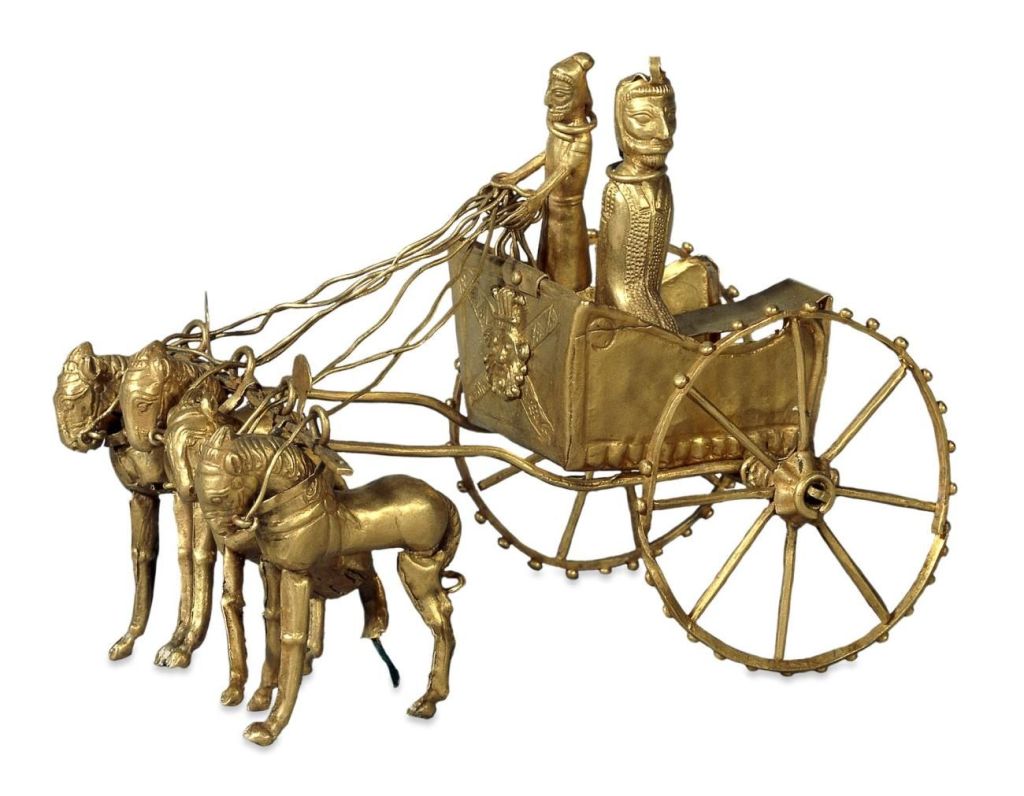
Postal System: The Royal Road featured a sophisticated postal system with relay stations spaced at regular intervals. Couriers could transfer messages quickly, covering the entire distance in about a week. This efficient communication network was critical for the effective governance of the empire, allowing for timely decision-making and policy implementation. The postal system, known as the Angarium, was a model of efficiency and reliability, often compared to the later Roman cursus publicus.
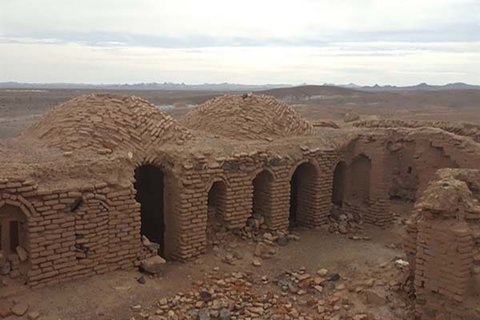
Comparison with Other Systems: Compared to other ancient communication systems, the Persian postal network was highly advanced. Its efficiency and reliability set a standard that influenced subsequent empires, including the Romans, who adopted similar methods to manage their territories. The Royal Road’s communication network allowed for unprecedented administrative control and integration of the vast Achaemenid Empire.

Archaeological Findings and Modern Studies
Archaeological Discoveries: Archaeologists have uncovered various remnants of the Royal Road, including way stations, artifacts, and inscriptions. These findings provide valuable insights into the road’s construction, usage, and maintenance. Excavations at key sites along the road have revealed the presence of complex infrastructure designed to support long-distance travel and communication.
Modern Research: Recent technological advances, such as satellite imaging and ground-penetrating radar, have allowed researchers to trace the exact route of the Royal Road. These studies have revealed new segments and provided a deeper understanding of the road’s engineering and logistical sophistication. Modern research has also focused on the environmental impact of the road and how ancient engineers mitigated challenges such as erosion and natural obstacles.
Significant Artifacts: Artifacts found along the Royal Road include tools, pottery, and remnants of relay station buildings. These discoveries help historians understand the daily life of travellers and the logistical support provided by the Persian administration. Inscriptions and administrative records found at these sites also offer insights into the management of the road and its role in the broader Achaemenid administrative system.
Legacy of the Royal Road
Influence on Subsequent Empires: The Persian Royal Road’s design and functionality influenced later empires, including the Seleucids, Parthians, and Romans. These empires recognized the strategic and economic benefits of a well-maintained road network and adopted similar systems to manage their territories.
Enduring Legacy: The legacy of the Royal Road extends to modern infrastructure. Its principles of efficient transportation and communication continue to underpin contemporary road networks. The road remains a symbol of ancient innovation and its lasting impact on connectivity and administration.
Conclusion
The Persian Royal Road was a transformative infrastructure project that played a vital role in the success of the Achaemenid Empire. Its construction and use exemplified the empire’s ability to manage vast territories efficiently. The road’s economic, cultural, and military significance, coupled with its lasting legacy, highlights its importance as one of the ancient world’s greatest engineering feats. Preserving and studying this ancient road allows us to appreciate the ingenuity and foresight of the Persian civilization.
The enduring respect for Cyrus the Great and his tomb highlights the importance of preserving historical monuments. These efforts not only honour the legacy of great leaders but also provide invaluable insights into the cultural and historical contexts of their time. The tomb of Cyrus the Great remains a symbol of the rich heritage of Persia and the broader ancient world, offering a window into the past that continues to inspire and educate.
Read more on Persian Roads & Economy
The Forgotten Roads – Exploring the Minor Trade Routes of the Achaemenid Empire
Persia and the Indus – Diplomacy on the Eastern Frontier (Part I)
Bureaucratic and Administrative Innovations of the Achaemenid Empire: The Satrap System
The Gift Economies of the Achaemenid Empire: Reciprocity, Tribute, and Imperial Unity
Susa (Shush) – The Eternal City of Kings
Pasargadae: The Heart of the Persian Empire
Persepolis – From Pasargadae to the Making of an Imperial Stage


 Kam Austine
Leave a comment