Khayyam’s quatrain critiques life as a deceptive host offering disappointment instead of joy. The cupbearer, typically a symbol of happiness, instead serves bitter remnants, representing disillusionment. The speaker’s act of spilling the wine symbolizes a rejection of life’s illusions, advocating for intellectual honesty while grappling with existential tensions between expectation and reality.
Ancient empires functioned through sophisticated financial systems, as exemplified by the Achaemenid Persian Empire’s integration of Mesopotamian credit practices. By preserving local administrative structures and facilitating the circulation of credit alongside coinage, Persia created a cohesive financial framework that supported its vast empire and influenced future governance.
Across his scattered quatrains, Omar Khayyam repeatedly confronts the deepest questions of human existence: where we come from, why we are here, and what awaits beyond death. Rather than offering comforting answers, he exposes the limits of knowledge and the certainty of mortality. This essay explores the existential structure underlying Khayyam’s thought and the intellectual courage that defines it.
The quatrain reflects the tension between celestial inquiry and human understanding. Khayyam cautions that while the cosmos inspires curiosity, it can also induce uncertainty. Reason, likened to a fragile guiding thread, offers no guarantee of clarity. True wisdom involves recognizing the limits of comprehension rather than claiming mastery over the universe.
The Achaemenid Empire utilised standardised coinage, particularly the daric and siglos, as powerful tools of cohesion and authority. Introduced by Darius I, these coins facilitated economic integration across vast territories while projecting the king’s presence. They fostered trust and order, enhancing the empire’s administrative capabilities and legacy, extending influence beyond its borders.
The quatrain reflects on the potter’s craft, transforming clay—which embodies the remnants of ancestors—into vessels. Khayyam emphasizes the distinction between superficial perception and deeper awareness of mortality, highlighting that identity dissipates while matter endures. This insight underscores life’s cyclical nature, connecting past lives with future forms in a continuous cycle.
In this quatrain, Khayyam critiques moral absolutism by arguing against the condemnation of love and intoxication as sinful. He suggests that labeling lovers and drinkers as hell-bound exposes the flaw in such moral systems. Khayyam asserts that love and joy are essential to spiritual life, challenging dogma that excludes them from meaning.
Khayyam’s quatrain challenges the notion of deferred salvation by questioning the authority of paradise as hearsay. He posits that enjoying life’s pleasures, like wine and love, should not instill fear, as mortality equalizes all outcomes. Ultimately, he advocates for valuing experiences over unproven promises of afterlife rewards.
The reliefs of Persepolis do not tell stories. They do not narrate battles, commemorate victories, or record historical events. They repeat. Figures advance in measured rhythm. Processions unfold endlessly. The… Read more: Persepolis Reliefs as Political Theology
Among the many images carved into the stone terraces of Persepolis, one scene recurs with a quiet insistence: a lion sinking its teeth into the flank of a bull. The scene is neither chaotic nor brutal. The lion does not appear enraged, nor does the bull collapse in agony. Instead, the two animals …
Khayyam’s quatrain critiques the fragility of ritual piety, highlighting how easily spiritual observance can be undermined by trivial human experiences. While emphasizing the tension between ritual compliance and genuine inner transformation, he questions whether faith is merely procedural or can withstand life’s realities, ultimately urging a more profound understanding of spirituality.
Persepolis was designed as an imperial stage to showcase Persian kingship rather than serve as an administrative capital. Unlike Pasargadae, it symbolized Darius I’s transition from personal to institutional sovereignty. Its architecture communicated ideals of order and legitimacy, with Atossa embodying dynastic continuity, cementing its role in imperial memory.
Khayyam’s quatrain critiques a small yet powerful group that confidently judges others from ignorance, branding dissenters as blasphemers. It warns that in a society valuing conformity, true wisdom is dangerous. The poem highlights the peril of unexamined certainty, urging vigilance against ignorance demanding loyalty instead of understanding.
Khayyam’s quatrain vividly depicts human helplessness against fate’s forces, illustrating existence as a predetermined motion devoid of agency. The metaphor of life as a ball struck by destiny emphasizes the illusion of choice. Ultimately, knowledge and intent belong solely to the originator, compelling readers to confront the challenge of living wisely amidst uncertainty.
The Achaemenid Empire’s expansion into the Indus region was characterized by diplomacy and local autonomy rather than militaristic conquest. The incorporation of the Indus into the empire under Darius I demonstrated an approach focused on tribute, economic integration, and cooperative governance, creating lasting connections between Iran and South Asia.
In this quatrain, Khayyam explores the nature of beauty, emphasizing its existence without pride. Despite possessing physical grace, the speaker questions the purpose of such adornment in a fleeting world. The “Eternal Painter” metaphor highlights the mystery of creation, suggesting that beauty does not inherently provide meaning or justification for existence.
The Achaemenid Empire united diverse cultures through a complex gift economy, where tribute embodied loyalty and legitimacy rather than mere taxation. This system fostered regional identities and social bonds, exemplified by the ceremonial center of Persepolis. Through symbolic exchanges, the empire maintained harmony and cohesion among its varied peoples.
In this quatrain, Khayyam defines a fulfilling life based on health, sustenance, and a humble place of rest, rejecting the pursuit of wealth and power. He emphasizes freedom through independence from servitude and dominance. Happiness arises from recognizing sufficiency in the present, challenging societal norms focused on excess and comparison.
In this quatrain, Khayyam explores divine justice by questioning whether human guilt outweighs divine mercy. He suggests that sin can serve as a test to understand the relationship between human actions and divine will. This philosophical inquiry highlights the paradox of accountability under a framework of divine perfection, urging deeper contemplation on mercy and justice.
The Nisean horse, an iconic breed from ancient Persia, symbolizes royalty and military prowess. Originating from the Nisean Plain, it was revered by Achaemenid kings and featured in their art. Although its pure lineage declined post-Achaemenid, its influence persists across Eurasian horse breeds, embodying Persian heritage and cultural memory.
The Achaemenid Empire, through its art and imagery, communicated a vision of kingship focused on order, unity, and moral superiority rather than conquest. Its reliefs, characterized by calm and symmetrical representations, emphasized harmony and inclusivity among diverse nations. This visual language aimed to depict a king as a benevolent ruler, shaping a lasting Persian identity.
Omar Khayyam, a unique thinker, merges mathematics with metaphysics, emphasizing certainty in numbers and humility in understanding existence. His quatrain reveals that after a lifetime of inquiry, true knowledge reflects the recognition of knowledge’s limits. He aligns with ideas from Kürnberger and Rumi, each exploring human understanding across different traditions.
Khayyam’s quatrain reflects a lifelong pursuit of knowledge, revealing the irony of human understanding. Despite years of intensive learning, he concludes that true wisdom lies in recognizing the limits of comprehension. This acknowledgment transforms doubt into humility, suggesting that the journey of inquiry is as significant as the answers sought.
Khayyam critiques dogmatism in his quatrain, highlighting the limitations of both religious and philosophical certainty. He warns that rigid adherence to either path can lead to intellectual blindness. Emphasizing an uncharted middle ground, Khayyam advocates for humility and openness in the pursuit of truth beyond conventional dichotomies.
Khayyam’s treatise on the inequality of creation questions why beings differ in nobility and perfection, exploring metaphysics without fully endorsing traditional answers. His silence hints at skepticism toward theodicy, emphasizing existential living over metaphysical reasoning, while poetry becomes his medium to confront the emotional weight of divine inequality.
Elam, existing from 2700 to 539 BCE, was a crucial precursor to Persian civilization, serving as a cultural and intellectual foundation. Its cities, like Susa and Anshan, fostered trade and diplomacy. Although conquered by Assyria, Elam’s legacy persisted, influencing Persian kingship and administrative practices, as well as artistic traditions, solidifying its historical significance.
The quatrain by Khayyam presents a stark view of determinism, portraying humans as mere game pieces moved by unseen forces. Life unfolds like a game, governed by fate rather than choice, culminating in inevitable nonexistence. Recognizing these constraints offers clarity, urging individuals to embrace understanding over illusion regarding life’s structure and limitations.
This quatrain by Khayyam uses the metaphor of the body as a fragile cup to reflect on existence’s beauty and brutality. It questions the forces behind creation and destruction, illustrating the tension between artistry and suffering. Khayyam invites contemplation on the nature of purpose, justice, and the mysteries of life.
Philosophy addresses three key questions: “Does it exist?” which evaluates existence; “What is it?” which explores essence through definitions and properties; and “Why is it thus?” which analyzes causes, particularly Aristotle’s four causes. Understanding these questions helps clarify the nature and purpose of concepts like intellect and humanity.
In the highlands of ancient Anshan, the foundations of Persia were established, rooted in Elamite heritage. The Achaemenid dynasty, beginning with Achaemenes, shaped Persia’s political landscape through strategic marriages and inherited traditions. Anshan served as a crucial ideological link, enabling the blend of Median and Persian powers and assisting in the rise of the Achaemenid Empire.
Anshan, an ancient city in southwestern Iran, served as a significant political and cultural center for centuries before the rise of Persia. It connected Elamite lowlands with Iranian highlands and showcased early urban planning. Discoveries at Tal-i Malyan underscore its influence on Achaemenid governance and the continuity of Persian identity.
Khayyam’s quatrain reflects on human insignificance in a liberating manner. It emphasizes that the world will continue without us, erasing our legacy. This perspective challenges notions of cosmic importance, suggesting that true meaning arises from how we live in the moment, rather than needing to matter in eternity.
In 539 BCE, Cyrus the Great claimed Babylon not through destruction but as its liberator, integrating Babylonian kingship and governance into Persian rule. The Persians absorbed Babylon’s rich traditions, administrative infrastructure, and sacred practices, framing themselves as successors rather than conquerors, thus establishing a multi-cultural empire rooted in Babylonian legacy.
The quatrain by Khayyam challenges religious notions of paradise by comparing promised joys with earthly pleasures. It questions the wisdom of deferring joy for speculative rewards, suggesting that life’s value is in the experience rather than in fear-driven restraint. Ultimately, all paths lead to the same end, inviting critical reflection.
In this quatrain, Khayyam critiques humanity’s endless pursuit of sensory desires, revealing their binding nature. He emphasizes that even the purest beings ultimately return to dust, underscoring life’s impermanence. By acknowledging mortality, individuals can find liberation from false certainties, leading to a deeper understanding of presence and meaning.
This quatrain by Khayyam emphasizes the significance of living in the present rather than being consumed by anxieties about the future. He argues that meaning and vitality are tied to our current experiences and warns against the illusion that future conditions will bring clarity or purpose. Time spent cannot be recovered, urging immediacy.
The poem invokes beauty as a source of vitality, seeking solace through companionship and art. It emphasizes the importance of living fully and consciously, symbolized by the pitcher of wine, before facing mortality’s inevitable transformation. Ultimately, it advocates for presence amid transience, urging appreciation of life’s fleeting moments.
Khayyam’s poem explores the torment of attachment to possessions and the importance of living joyfully in the present. He emphasizes that life’s value lies in attitude rather than material wealth, urging us to embrace each breath as a fleeting gift. Ultimately, he advocates for mindful acknowledgment of impermanence.
The article examines the significance of Lydia’s conquest by the Persian Empire, highlighting how Persia gained not only territory but also systems of governance, finance, and culture. Lydia’s innovations, including the invention of coinage, laid the groundwork for Persian economic and administrative structures, facilitating the integration of diverse cultures and trade routes.
Khayyam portrays night as a complex interplay of thought and despair, where awareness of beauty and sorrow coexist. The skull’s bowl symbolizes the fleeting nature of consciousness, filling with melancholy that empties at death. Wisdom emerges not from understanding all, but from embracing uncertainty and the cycle of questioning in human existence.
Khayyam’s quatrain explores the limits of human understanding regarding eternal truths. He emphasizes our shared ignorance and the mysteries of existence, suggesting that life is an enigmatic discourse beyond our comprehension. Ultimately, when truth is unveiled at death, our consciousness no longer exists to grasp it, inviting acceptance of uncertainty.
Persian quatrains, or Rubā‘iyāt, are a unique poetic form in classical Persian literature characterized by brevity, depth, and a distinctive rhyme scheme. Emerging in the 10th-11th centuries, these four-line poems convey profound themes like love, mortality, and existential reflection, with Omar Khayyam being the most noted poet among many.
The Persian Empire under Cyrus the Great and Darius I embodied a moral order, guided by Zoroastrian principles of truth, order, and justice. Zoroastrianism informed Achaemenid governance and kingship, emphasizing ethical leadership. This spiritual legacy shaped imperial legitimacy and sustained diverse beliefs within the empire, influencing future philosophical and administrative ideas.
Before the rise of the Persian Empire, the ancient Near East was shaped by the iron grip of Assyria — a civilisation that perfected the machinery of empire centuries before Cyrus the Great marched on Babylon.
The Median Empire, a precursor to the Achaemenid Empire, shaped early Iranian identity through its tribal society and military innovations. Key figures like Deioces and Cyaxares established centralized power and a distinct imperial ideology. Though often overlooked, the Medes laid crucial foundations for the Persian state, influencing governance, culture, and military strategy.
The Persian Empire’s origins lie not in grandeur but in the nomadic and trading cultures of ancient tribes on the Iranian plateau. These people formed networks based on kinship, trade, and proto-Zoroastrian beliefs. The leadership qualities and cultural practices from this pre-imperial era laid the groundwork for Cyrus the Great’s eventual empire-building.
The Achaemenid Empire, founded by Cyrus the Great in 550 BCE, grew to become one of history’s largest and most influential empires. Its kings wielded immense power, overseeing vast territories and diverse populations, but their reigns were often marked by rebellion, war, and internal conspiracies. This article examines the causes of death of each Achaemenid king, their years of rule, and the significant challenges they faced, illustrating the precarious nature of kingship in ancient Persia.
The Achaemenid Empire (550–330 BCE) utilized advanced infrastructure, including well-developed trade routes and waterways, to connect vast territories from the Mediterranean to the Indus Valley. Minor routes complemented the Royal Road, facilitating commerce and cultural exchange. The empire’s strategic canal linking the Nile and Red Sea exemplified its engineering prowess and commitment to integration and trade.
Zoroastrianism, a pivotal influence during the Achaemenid Empire, shaped Persian identity, governance, and culture. Founded by Zarathustra, it emphasized dualism between good (Ahura Mazda) and evil (Angra Mainyu). Its principles affected kingship, law, daily life, and later religions, reinforcing concepts of moral responsibility, justice, and cosmic order.
The story of Darius I’s rise to power in the Achaemenid Empire is one of political intrigue, rebellion, and strategic genius. Following the sudden and mysterious death of Cambyses II in 522 BCE, the empire found itself in disarray.
Atossa, daughter of Cyrus the Great, is associated with the earliest documented case of breast cancer, treated by the Greek physician Democedes. Her story, recounted by Herodotus, highlights societal stigma around illness and illustrates the intersection of Greek and Persian medical practices, marking a significant moment in medical history.
Cambyses II, the son of Cyrus the Great, ruled from 530 to 522 BCE, yet his legacy has often been overshadowed by accusations of cruelty and madness. While much of his reign, including his conquest of Egypt, is well documented, the depiction of Cambyses as a tyrant and mentally unstable ruler has been largely influenced by later historical narratives
The Achaemenid Empire’s satrapy system, developed by Cyrus the Great and Darius I, exemplifies sophisticated decentralized governance, balancing local autonomy with central authority. This model, enabling effective management of diverse cultures and resources, still informs modern organizational practices in governance and business, emphasizing adaptability and accountability in complex environments.
The Achaemenid Empire advanced astronomy, integrating Babylonian knowledge to enhance agriculture and religious practices. Persian scholars developed observatories, accurate calendars, and timekeeping methods, significantly impacting later Islamic science and influencing European astronomers. Their contributions established a foundation for understanding the cosmos, linking ancient achievements to the scientific revolution.
The Achaemenid Empire (550–330 BCE) fostered significant military and intellectual advancements across three continents. By integrating knowledge from Babylon, Egypt, Greece, and India, it promoted developments in astronomy, mathematics, and medicine. This cultural exchange established a lasting legacy that influenced future civilizations and shaped the fabric of Western and Islamic thought.
The Achaemenid Persian Empire, flourishing from the 6th century BCE, was marked by significant intellectual and technological contributions. Innovations like the qanat water management system, the Royal Road, standardized currency, and advanced governance under the satrap system shaped future societies, influencing infrastructure, trade, and administration worldwide.
The “Pardis” concept, meaning “walled enclosure” in ancient Persian, symbolizes the paradise ideal. Persian gardens, with their meticulous design and symbolic elements like the Charbagh layout and flowing water, were integral to the empire’s cultural, religious, and political life. Their influence spread globally, shaping garden design and cultural paradigms, and their enduring legacy continues to inspire contemporary landscape architecture and provide a vision of balance and beauty.
The decline of the Achaemenid Persian Empire was influenced by military defeats, internal strife, economic strain, cultural challenges, leadership issues, and Alexander the Great’s conquests. Rapid succession of rulers and resulting instability further weakened the empire, leading to its eventual fall. These factors showcase the challenges faced by powerful historical states.
The Persian Royal Road, an engineering marvel built during Darius I’s reign, spanned 2,700 kilometers, fostering communication, trade, and military logistics in the Achaemenid Empire. Its impact on trade, cultural exchange, military operations, and communication networks remains influential, shaping subsequent empires and modern infrastructure. Excavations and modern studies provide insights into its enduring legacy.
Cyrus the Great, founder of the Achaemenid Empire, is revered for his leadership and vision. The tomb in Pasargadae, constructed in the 6th century BCE, reflects his simplicity and grandeur. Its cultural and historical significance endures, drawing visitors worldwide and inspiring ongoing research and preservation efforts. The tomb stands as a living monument to Persian history and Cyrus’s enduring legacy.
This article explores the evolution of power dynamics within the Achaemenid satrapal system, detailing reforms by Darius I and challenges under Xerxes I. It highlights influential satraps and their military roles, the balance between Persian authority and local cultures, and the eventual decline of satrapal power, emphasizing the system’s lasting legacy on future empires.
The Achaemenid Empire, founded by Cyrus the Great, used satrapies governed by satraps to manage its vast territory. Satraps collected taxes, led military forces, administered justice, managed infrastructure, and reported directly to the king. Notable satrapies included Lydia, Egypt, and Bactria. Satraps faced challenges maintaining control, such as the Ionian Revolt.
Pasargadae, founded by Cyrus the Great in the 6th century BCE, served as the first capital of the Achaemenid Empire, symbolizing Persian unity and innovation. Renowned for its architectural splendor and cultural diversity, it functioned as a political center, embodying Cyrus’s policies of tolerance and governance, leaving a lasting legacy in Persian history.
Explore the lives and contributions of notable Persian women from Pasargadae, linking it to themes from your book project. Highlight their political, cultural, and social impacts.
The Persian-Egyptian relationship is a dynamic tale of conquest, governance, and cultural exchange. The Persians conquered Egypt, incorporating existing structures while leaving a mark on art, architecture, and governance. Their governance brought administrative changes and influenced future rulers. This cultural exchange shaped the enduring nature of cultural exchange during times of conquest.
The interactions between Greeks and Persians transformed from conflict during the Greco-Persian Wars to significant cultural exchange. Trade and diplomacy fostered cooperation, especially post-war, influencing art, philosophy, and governance. Alexander the Great further blended traditions, leaving a legacy of mutual appreciation that shaped future civilizations around the Mediterranean.
Atossa, daughter of Cyrus the Great, was a significant figure in the Persian Empire, influencing politics across several reigns, including those of Cambyses II, Darius I, and Xerxes. Notably, she was the first recorded case of breast cancer, shedding light on ancient medical practices and highlighting the role of women in political spheres.
Bardiya, also known as Smerdis, remains one of the most enigmatic figures in the annals of the Persian Empire. Brother to Cambyses II and possibly an imposter according to some historical accounts, his brief reign is shrouded in mystery and controversy.
The Achaemenid era received limited focus on social conditions, primarily emphasizing governance. This article investigates ordinary lives, examining urban and rural dwellings, nutrition, hygiene standards, occupations, and government assistance. It highlights the significance of family units and the societal emphasis on health, equitable wages, and support for working mothers amidst diverse lifestyles.
The Apadana of Susa, constructed by Darius I, was a monumental audience hall symbolizing imperial authority and cultural continuity over Elam’s heritage. It served as a public space for ceremonies and governance, designed with intricate architecture and diverse materials. Its remnants now represent a significant aspect of Iran’s historical legacy and architectural ingenuity.
Susa, an ancient city in Khuzestan, Iran, has a rich history spanning millennia, serving as a cultural bridge between Mesopotamia and the Iranian Plateau. From its Elamite origins to its role under the Achaemenid Empire and later transformations, Susa embodies the continuity of civilization, resilience amid destruction, and a legacy of cultural fusion.
The ancient city of Sais, once a center of wisdom and worship, thrived along the Nile Delta. Its Temple of Neith symbolized knowledge, merging spirituality with fields like medicine, notably through female practitioners. Despite fading, Sais remains a testament to intellectual legacy and cultural exchange, influencing civilizations well beyond its time.
The Old Persian cuneiform, conceived during Darius I’s reign, was a simplified script distinct from its Mesopotamian predecessors. Carved in stone, it served as a symbol of royal authority and cultural unity across the Achaemenid Empire. Its legacy endures through the inscriptions that once proclaimed divine truth and order.
The map illustrates the Persian Achaemenid Empire’s expansion under Darius the Great and Xerxes, showing significant territorial changes from 745 BCE to 331 BCE. Initially unified by Cyrus the Great in 552 BCE through conquests, it grew to incorporate regions like Egypt and parts of Greece, highlighting its historic significance.
In 525 BCE, the armies of Persia crossed the burning sands of Sinai and entered the Nile Delta, fulfilling a dream begun by Cyrus the Great — the unification of East and West under a single empire. At their head was Cambyses II , son of Cyrus, commander of a vast force that swept through the fortified city of Pelusium and advanced on Memphis, toppling Egypt’s ancient 26th Dynasty.
High above the ancient road that once connected Babylon and Ecbatana, where merchants, envoys, and soldiers passed beneath the shadow of limestone cliffs, rises a monumental voice carved in stone. The cliff at Bagastâna,… Read more: Behistun Inscription and the Mystry of False Bardiya
This is a story of a dead-end alley, houses of cavalry, a dramatic arena of the fight of brothers, hollow gloomy life of sisters. I am your grandma, daughter of a cruel King, wife of a tribal King, mother of the greatest King on earth.
In a dramatic scene set in ancient Egypt, King Cambyses receives a weary messenger bearing urgent news from Hyrcania. After three years of conquest and loss in Egypt, Cambyses contemplates returning to Persia to address pressing matters. The messenger presents a letter revealing that Cambyses’ brother has crowned himself the King of Persia.
The great King is dead. Two of his sons are slain by a plotted fib. A chief general usurper the throne. How fearless the King’s daughter can play the game of Kings to revive his father’s empire?
Among ruins, inscriptions, and forgotten halls, some stories still breathe. I share reflections now and then — slow, thoughtful, unhurried. Here, we follow the line that runs from the ancient to the now.

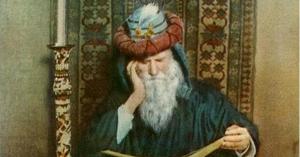 Khayyam’s quatrain critiques life as a deceptive host offering disappointment instead of joy. The cupbearer, typically a symbol of happiness, instead serves bitter remnants, representing disillusionment. The speaker’s act of spilling the wine symbolizes a rejection of life’s illusions, advocating for intellectual honesty while grappling with existential tensions between expectation and reality.
 Ancient empires functioned through sophisticated financial systems, as exemplified by the Achaemenid Persian Empire’s integration of Mesopotamian credit practices. By preserving local administrative structures and facilitating the circulation of credit alongside coinage, Persia created a cohesive financial framework that supported its vast empire and influenced future governance.
 Across his scattered quatrains, Omar Khayyam repeatedly confronts the deepest questions of human existence: where we come from, why we are here, and what awaits beyond death. Rather than offering comforting answers, he exposes the limits of knowledge and the certainty of mortality. This essay explores the existential structure underlying Khayyam’s thought and the intellectual courage that defines it.
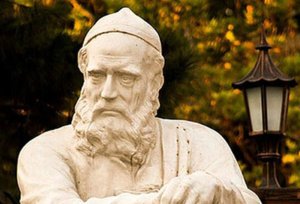 The quatrain reflects the tension between celestial inquiry and human understanding. Khayyam cautions that while the cosmos inspires curiosity, it can also induce uncertainty. Reason, likened to a fragile guiding thread, offers no guarantee of clarity. True wisdom involves recognizing the limits of comprehension rather than claiming mastery over the universe.
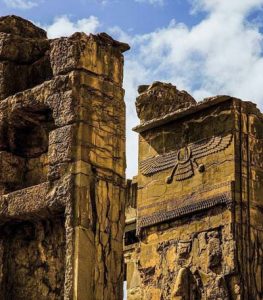 The Achaemenid Empire utilised standardised coinage, particularly the daric and siglos, as powerful tools of cohesion and authority. Introduced by Darius I, these coins facilitated economic integration across vast territories while projecting the king’s presence. They fostered trust and order, enhancing the empire’s administrative capabilities and legacy, extending influence beyond its borders.
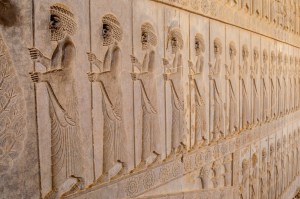 The reliefs of Persepolis do not tell stories. They do not narrate battles, commemorate victories, or record historical events. They repeat. Figures advance in measured rhythm. Processions unfold endlessly. The… Read more: Persepolis Reliefs as Political Theology
 Among the many images carved into the stone terraces of Persepolis, one scene recurs with a quiet insistence: a lion sinking its teeth into the flank of a bull. The scene is neither chaotic nor brutal. The lion does not appear enraged, nor does the bull collapse in agony. Instead, the two animals …
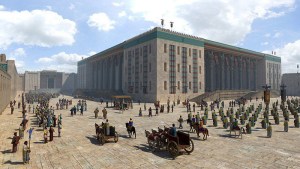 Persepolis was designed as an imperial stage to showcase Persian kingship rather than serve as an administrative capital. Unlike Pasargadae, it symbolized Darius I’s transition from personal to institutional sovereignty. Its architecture communicated ideals of order and legitimacy, with Atossa embodying dynastic continuity, cementing its role in imperial memory.
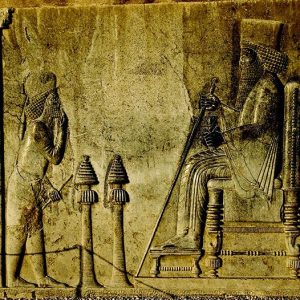 The Achaemenid Empire’s expansion into the Indus region was characterized by diplomacy and local autonomy rather than militaristic conquest. The incorporation of the Indus into the empire under Darius I demonstrated an approach focused on tribute, economic integration, and cooperative governance, creating lasting connections between Iran and South Asia.
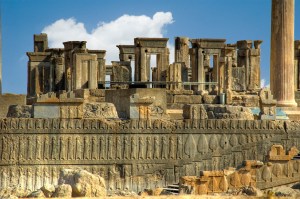 The Achaemenid Empire united diverse cultures through a complex gift economy, where tribute embodied loyalty and legitimacy rather than mere taxation. This system fostered regional identities and social bonds, exemplified by the ceremonial center of Persepolis. Through symbolic exchanges, the empire maintained harmony and cohesion among its varied peoples.
 In this quatrain, Khayyam defines a fulfilling life based on health, sustenance, and a humble place of rest, rejecting the pursuit of wealth and power. He emphasizes freedom through independence from servitude and dominance. Happiness arises from recognizing sufficiency in the present, challenging societal norms focused on excess and comparison.
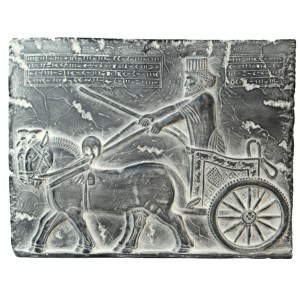 The Nisean horse, an iconic breed from ancient Persia, symbolizes royalty and military prowess. Originating from the Nisean Plain, it was revered by Achaemenid kings and featured in their art. Although its pure lineage declined post-Achaemenid, its influence persists across Eurasian horse breeds, embodying Persian heritage and cultural memory.
 The Achaemenid Empire, through its art and imagery, communicated a vision of kingship focused on order, unity, and moral superiority rather than conquest. Its reliefs, characterized by calm and symmetrical representations, emphasized harmony and inclusivity among diverse nations. This visual language aimed to depict a king as a benevolent ruler, shaping a lasting Persian identity.
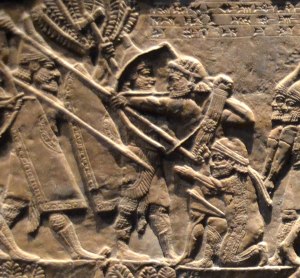 Elam, existing from 2700 to 539 BCE, was a crucial precursor to Persian civilization, serving as a cultural and intellectual foundation. Its cities, like Susa and Anshan, fostered trade and diplomacy. Although conquered by Assyria, Elam’s legacy persisted, influencing Persian kingship and administrative practices, as well as artistic traditions, solidifying its historical significance.
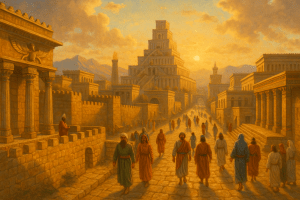 In the highlands of ancient Anshan, the foundations of Persia were established, rooted in Elamite heritage. The Achaemenid dynasty, beginning with Achaemenes, shaped Persia’s political landscape through strategic marriages and inherited traditions. Anshan served as a crucial ideological link, enabling the blend of Median and Persian powers and assisting in the rise of the Achaemenid Empire.
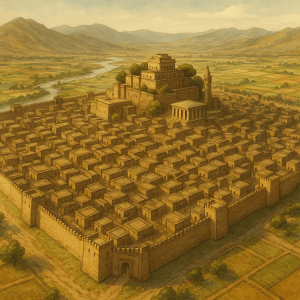 Anshan, an ancient city in southwestern Iran, served as a significant political and cultural center for centuries before the rise of Persia. It connected Elamite lowlands with Iranian highlands and showcased early urban planning. Discoveries at Tal-i Malyan underscore its influence on Achaemenid governance and the continuity of Persian identity.
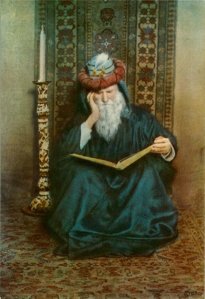 Khayyam’s quatrain reflects on human insignificance in a liberating manner. It emphasizes that the world will continue without us, erasing our legacy. This perspective challenges notions of cosmic importance, suggesting that true meaning arises from how we live in the moment, rather than needing to matter in eternity.
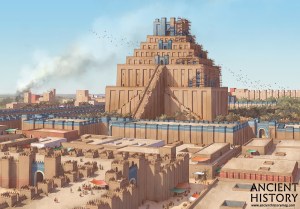 In 539 BCE, Cyrus the Great claimed Babylon not through destruction but as its liberator, integrating Babylonian kingship and governance into Persian rule. The Persians absorbed Babylon’s rich traditions, administrative infrastructure, and sacred practices, framing themselves as successors rather than conquerors, thus establishing a multi-cultural empire rooted in Babylonian legacy.
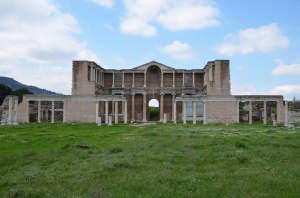 The article examines the significance of Lydia’s conquest by the Persian Empire, highlighting how Persia gained not only territory but also systems of governance, finance, and culture. Lydia’s innovations, including the invention of coinage, laid the groundwork for Persian economic and administrative structures, facilitating the integration of diverse cultures and trade routes.
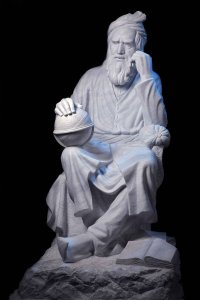 Translated and Introduced by Kam Austine For centuries, Omar Khayyam has captivated readers across cultures with his enigmatic quatrains—verses that speak of time, fate, love, loss, doubt, and joy. But… Read more: Philosophy in Verse: A Thematic Translation of Omar Khayyam’s Quatrains
 Persian quatrains, or Rubā‘iyāt, are a unique poetic form in classical Persian literature characterized by brevity, depth, and a distinctive rhyme scheme. Emerging in the 10th-11th centuries, these four-line poems convey profound themes like love, mortality, and existential reflection, with Omar Khayyam being the most noted poet among many.
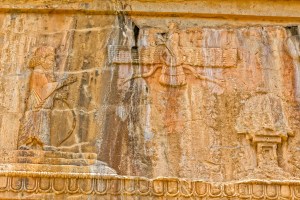 The Persian Empire under Cyrus the Great and Darius I embodied a moral order, guided by Zoroastrian principles of truth, order, and justice. Zoroastrianism informed Achaemenid governance and kingship, emphasizing ethical leadership. This spiritual legacy shaped imperial legitimacy and sustained diverse beliefs within the empire, influencing future philosophical and administrative ideas.
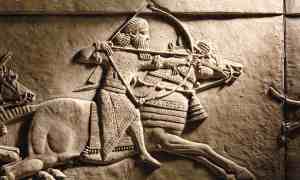 Before the rise of the Persian Empire, the ancient Near East was shaped by the iron grip of Assyria — a civilisation that perfected the machinery of empire centuries before Cyrus the Great marched on Babylon.
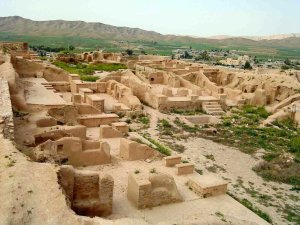 The Median Empire, a precursor to the Achaemenid Empire, shaped early Iranian identity through its tribal society and military innovations. Key figures like Deioces and Cyaxares established centralized power and a distinct imperial ideology. Though often overlooked, the Medes laid crucial foundations for the Persian state, influencing governance, culture, and military strategy.
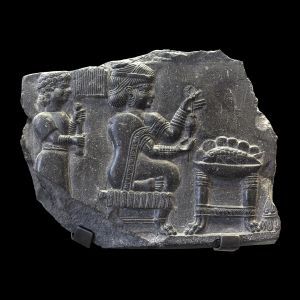 The Persian Empire’s origins lie not in grandeur but in the nomadic and trading cultures of ancient tribes on the Iranian plateau. These people formed networks based on kinship, trade, and proto-Zoroastrian beliefs. The leadership qualities and cultural practices from this pre-imperial era laid the groundwork for Cyrus the Great’s eventual empire-building.
 Water is the lifeblood of civilization, and few ancient societies understood this better than the Persians of the Achaemenid Empire. In an arid and unforgiving environment where rainfall was scarce… Read more: The Persian Aqueducts: How the Qanat System Revolutionised Agriculture and Cities
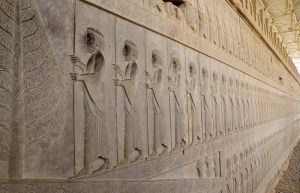 The Immortals were not just soldiers—they were a symbol of power, unity, and the might of the Achaemenid Empire. This elite force, celebrated in ancient texts and modern imaginations, formed the backbone… Read more: The Immortals: Unveiling the Secrets of the Achaemenid Elite Guard
 The Achaemenid Empire, founded by Cyrus the Great in 550 BCE, grew to become one of history’s largest and most influential empires. Its kings wielded immense power, overseeing vast territories and diverse populations, but their reigns were often marked by rebellion, war, and internal conspiracies. This article examines the causes of death of each Achaemenid king, their years of rule, and the significant challenges they faced, illustrating the precarious nature of kingship in ancient Persia.
 The Achaemenid Empire (550–330 BCE) utilized advanced infrastructure, including well-developed trade routes and waterways, to connect vast territories from the Mediterranean to the Indus Valley. Minor routes complemented the Royal Road, facilitating commerce and cultural exchange. The empire’s strategic canal linking the Nile and Red Sea exemplified its engineering prowess and commitment to integration and trade.
 Zoroastrianism, a pivotal influence during the Achaemenid Empire, shaped Persian identity, governance, and culture. Founded by Zarathustra, it emphasized dualism between good (Ahura Mazda) and evil (Angra Mainyu). Its principles affected kingship, law, daily life, and later religions, reinforcing concepts of moral responsibility, justice, and cosmic order.
 The story of Darius I’s rise to power in the Achaemenid Empire is one of political intrigue, rebellion, and strategic genius. Following the sudden and mysterious death of Cambyses II in 522 BCE, the empire found itself in disarray.
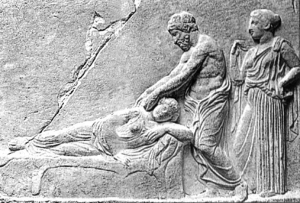 Atossa, daughter of Cyrus the Great, is associated with the earliest documented case of breast cancer, treated by the Greek physician Democedes. Her story, recounted by Herodotus, highlights societal stigma around illness and illustrates the intersection of Greek and Persian medical practices, marking a significant moment in medical history.
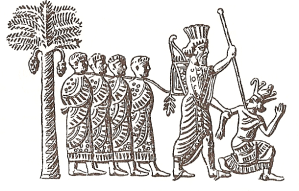 Cambyses II, the son of Cyrus the Great, ruled from 530 to 522 BCE, yet his legacy has often been overshadowed by accusations of cruelty and madness. While much of his reign, including his conquest of Egypt, is well documented, the depiction of Cambyses as a tyrant and mentally unstable ruler has been largely influenced by later historical narratives
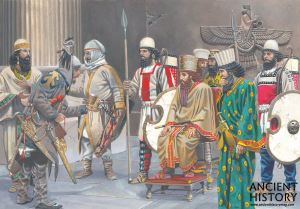 The Achaemenid Empire’s satrapy system, developed by Cyrus the Great and Darius I, exemplifies sophisticated decentralized governance, balancing local autonomy with central authority. This model, enabling effective management of diverse cultures and resources, still informs modern organizational practices in governance and business, emphasizing adaptability and accountability in complex environments.
 The Achaemenid Empire (550–330 BCE) fostered significant military and intellectual advancements across three continents. By integrating knowledge from Babylon, Egypt, Greece, and India, it promoted developments in astronomy, mathematics, and medicine. This cultural exchange established a lasting legacy that influenced future civilizations and shaped the fabric of Western and Islamic thought.
 The Achaemenid Persian Empire, flourishing from the 6th century BCE, was marked by significant intellectual and technological contributions. Innovations like the qanat water management system, the Royal Road, standardized currency, and advanced governance under the satrap system shaped future societies, influencing infrastructure, trade, and administration worldwide.
 The “Pardis” concept, meaning “walled enclosure” in ancient Persian, symbolizes the paradise ideal. Persian gardens, with their meticulous design and symbolic elements like the Charbagh layout and flowing water, were integral to the empire’s cultural, religious, and political life. Their influence spread globally, shaping garden design and cultural paradigms, and their enduring legacy continues to inspire contemporary landscape architecture and provide a vision of balance and beauty.
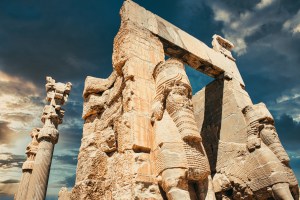 The decline of the Achaemenid Persian Empire was influenced by military defeats, internal strife, economic strain, cultural challenges, leadership issues, and Alexander the Great’s conquests. Rapid succession of rulers and resulting instability further weakened the empire, leading to its eventual fall. These factors showcase the challenges faced by powerful historical states.
 The Persian Royal Road, an engineering marvel built during Darius I’s reign, spanned 2,700 kilometers, fostering communication, trade, and military logistics in the Achaemenid Empire. Its impact on trade, cultural exchange, military operations, and communication networks remains influential, shaping subsequent empires and modern infrastructure. Excavations and modern studies provide insights into its enduring legacy.
 Cyrus the Great, founder of the Achaemenid Empire, is revered for his leadership and vision. The tomb in Pasargadae, constructed in the 6th century BCE, reflects his simplicity and grandeur. Its cultural and historical significance endures, drawing visitors worldwide and inspiring ongoing research and preservation efforts. The tomb stands as a living monument to Persian history and Cyrus’s enduring legacy.
 This article explores the evolution of power dynamics within the Achaemenid satrapal system, detailing reforms by Darius I and challenges under Xerxes I. It highlights influential satraps and their military roles, the balance between Persian authority and local cultures, and the eventual decline of satrapal power, emphasizing the system’s lasting legacy on future empires.
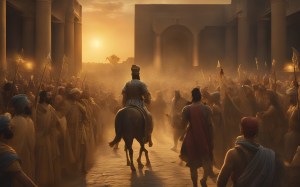 The Achaemenid Empire, founded by Cyrus the Great, used satrapies governed by satraps to manage its vast territory. Satraps collected taxes, led military forces, administered justice, managed infrastructure, and reported directly to the king. Notable satrapies included Lydia, Egypt, and Bactria. Satraps faced challenges maintaining control, such as the Ionian Revolt.
 Pasargadae, founded by Cyrus the Great in the 6th century BCE, served as the first capital of the Achaemenid Empire, symbolizing Persian unity and innovation. Renowned for its architectural splendor and cultural diversity, it functioned as a political center, embodying Cyrus’s policies of tolerance and governance, leaving a lasting legacy in Persian history.
 Explore the lives and contributions of notable Persian women from Pasargadae, linking it to themes from your book project. Highlight their political, cultural, and social impacts.
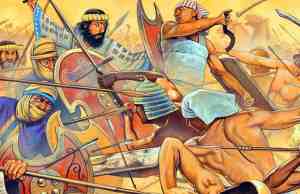 The Persian-Egyptian relationship is a dynamic tale of conquest, governance, and cultural exchange. The Persians conquered Egypt, incorporating existing structures while leaving a mark on art, architecture, and governance. Their governance brought administrative changes and influenced future rulers. This cultural exchange shaped the enduring nature of cultural exchange during times of conquest.
 The interactions between Greeks and Persians transformed from conflict during the Greco-Persian Wars to significant cultural exchange. Trade and diplomacy fostered cooperation, especially post-war, influencing art, philosophy, and governance. Alexander the Great further blended traditions, leaving a legacy of mutual appreciation that shaped future civilizations around the Mediterranean.
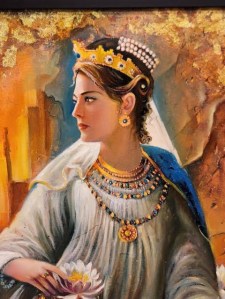 Atossa, daughter of Cyrus the Great, was a significant figure in the Persian Empire, influencing politics across several reigns, including those of Cambyses II, Darius I, and Xerxes. Notably, she was the first recorded case of breast cancer, shedding light on ancient medical practices and highlighting the role of women in political spheres.
 Bardiya, also known as Smerdis, remains one of the most enigmatic figures in the annals of the Persian Empire. Brother to Cambyses II and possibly an imposter according to some historical accounts, his brief reign is shrouded in mystery and controversy.
 The Cyrus Cylinder, the oldest known declaration of human rights, and the proud document of Iranians’ coexistence with peaceful aspirations and respect for the beliefs and thoughts of all subject… Read more: Cyrus the Great’s Cylinder – A Very First Ancient Commandments of Human Rights
 The Achaemenid era received limited focus on social conditions, primarily emphasizing governance. This article investigates ordinary lives, examining urban and rural dwellings, nutrition, hygiene standards, occupations, and government assistance. It highlights the significance of family units and the societal emphasis on health, equitable wages, and support for working mothers amidst diverse lifestyles.
 The Apadana of Susa, constructed by Darius I, was a monumental audience hall symbolizing imperial authority and cultural continuity over Elam’s heritage. It served as a public space for ceremonies and governance, designed with intricate architecture and diverse materials. Its remnants now represent a significant aspect of Iran’s historical legacy and architectural ingenuity.
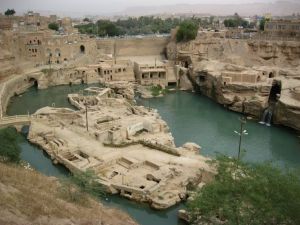 Susa, an ancient city in Khuzestan, Iran, has a rich history spanning millennia, serving as a cultural bridge between Mesopotamia and the Iranian Plateau. From its Elamite origins to its role under the Achaemenid Empire and later transformations, Susa embodies the continuity of civilization, resilience amid destruction, and a legacy of cultural fusion.
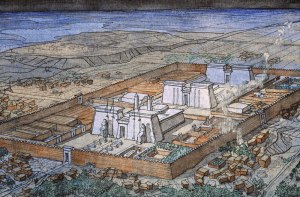 The ancient city of Sais, once a center of wisdom and worship, thrived along the Nile Delta. Its Temple of Neith symbolized knowledge, merging spirituality with fields like medicine, notably through female practitioners. Despite fading, Sais remains a testament to intellectual legacy and cultural exchange, influencing civilizations well beyond its time.
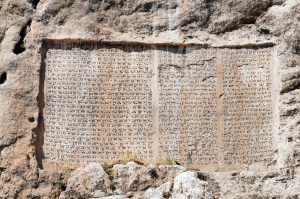 The Old Persian cuneiform, conceived during Darius I’s reign, was a simplified script distinct from its Mesopotamian predecessors. Carved in stone, it served as a symbol of royal authority and cultural unity across the Achaemenid Empire. Its legacy endures through the inscriptions that once proclaimed divine truth and order.
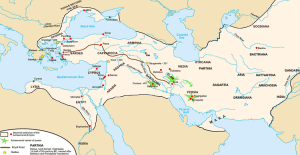 The map illustrates the Persian Achaemenid Empire’s expansion under Darius the Great and Xerxes, showing significant territorial changes from 745 BCE to 331 BCE. Initially unified by Cyrus the Great in 552 BCE through conquests, it grew to incorporate regions like Egypt and parts of Greece, highlighting its historic significance.
 In 525 BCE, the armies of Persia crossed the burning sands of Sinai and entered the Nile Delta, fulfilling a dream begun by Cyrus the Great — the unification of East and West under a single empire. At their head was Cambyses II , son of Cyrus, commander of a vast force that swept through the fortified city of Pelusium and advanced on Memphis, toppling Egypt’s ancient 26th Dynasty.
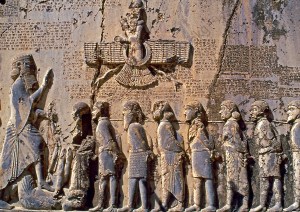 High above the ancient road that once connected Babylon and Ecbatana, where merchants, envoys, and soldiers passed beneath the shadow of limestone cliffs, rises a monumental voice carved in stone. The cliff at Bagastâna,… Read more: Behistun Inscription and the Mystry of False Bardiya
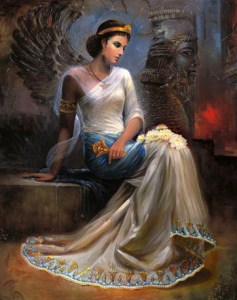 This is a story of a dead-end alley, houses of cavalry, a dramatic arena of the fight of brothers, hollow gloomy life of sisters. I am your grandma, daughter of a cruel King, wife of a tribal King, mother of the greatest King on earth.
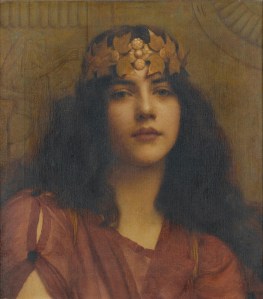 The great King is dead. Two of his sons are slain by a plotted fib. A chief general usurper the throne. How fearless the King’s daughter can play the game of Kings to revive his father’s empire?
 Kam Austine