
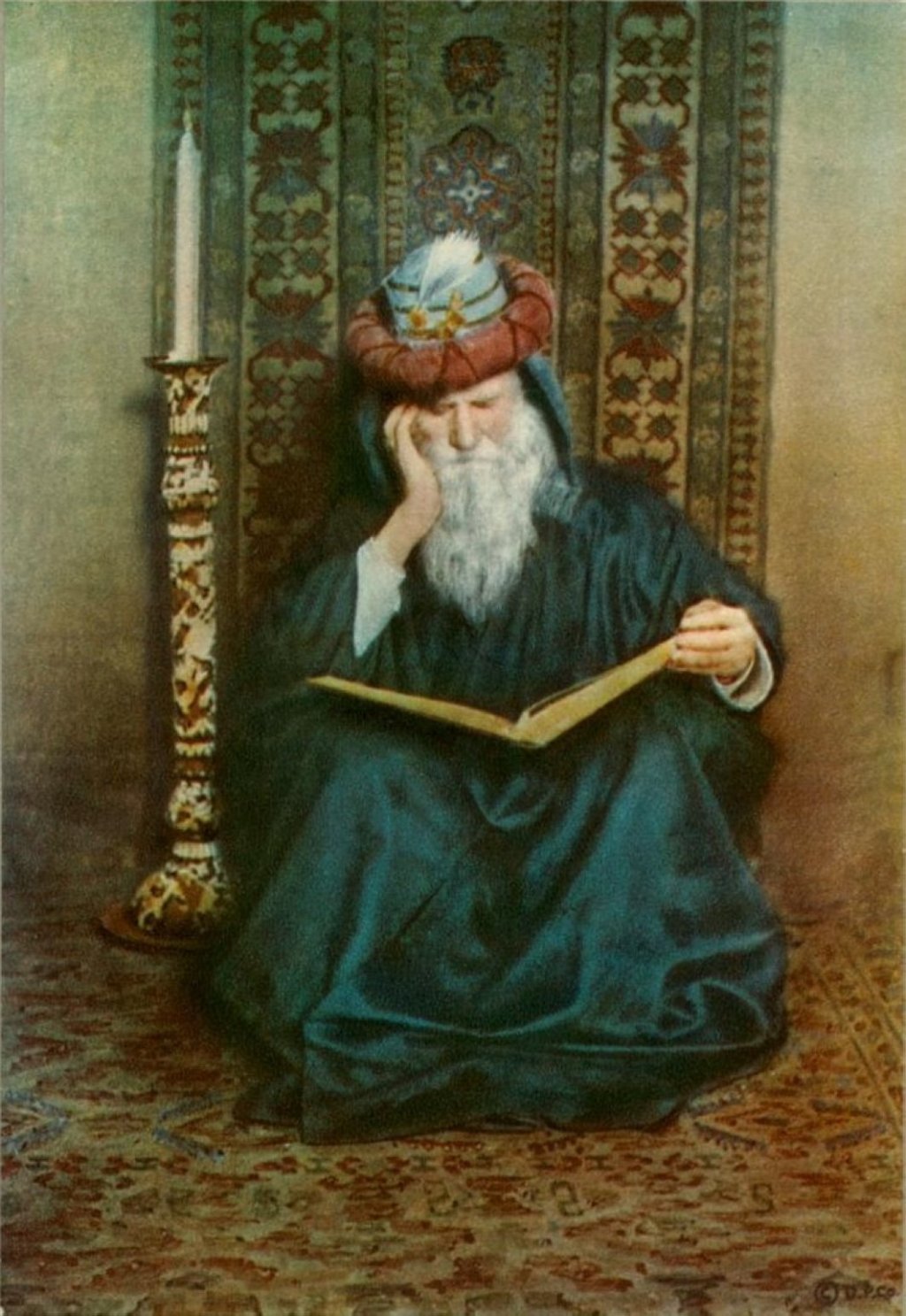
No. 40
Those who have worn the world beneath their feet threadbare,
and paced both worlds in seeking it, from here to there —
I am not aware that they, before our day,
were — of the matter as it truly is — aware.*
Philosophical Reflection
The last line of this quatrain is very nearly a quotation, and an educated reader of Khayyam’s century would have heard it as one. To know things as they are was the formula the philosophers, from al-Kindi onward, used to define their own discipline: knowledge of the realities of things, as they are, so far as human capacity allows. The poem takes that phrase, the declared object of every serious search in its world, and places it at the end of a single sentence about the people who made that search their life. It does not mock them, and it does not call them fools. It measures them against the one standard they had chosen for themselves.
The first two lines give the search its full weight, and the weight is physical. These are people who wore the world out under their feet. The verb is the one used for cloth rubbed thin or a threshold worn smooth. They also paced both worlds, this one and the next, in pursuit. The second verb belongs to the traveller and also to the surveyor: in Persian, covering a distance and measuring it out are the same act. Nothing in the description is ironic. The effort is granted in full, and that is where the poem finds its edge. Effort of this kind is counted in distance, and the thing they sought is not a place. One can wear out the earth looking for how things are, and find at the end only more earth.
Who are they? The poem does not say, but Khayyam had a list to hand. In On the Universals of Being he sorts those who seek the knowledge of God into four groups. The theologians were content with dialectic and persuasive proof. The philosophers demanded strict demonstration and, by the treatise’s own account, could not meet the conditions of their own logic. The Instructionists gave up on proof and waited on the word of a truthful teacher. The Sufis sought knowledge not by thought but by purifying the inner self, until the forms of the higher world appeared in it without doubt. The treatise, written to a patron’s commission, calls this fourth way the best of all. The quatrain’s travellers through both worlds fit the mystics as well as anyone, since the mystic’s path is a journey through this world into the next. Yet the poem grants them nothing. Its plain those, left unnamed, takes in all four groups, and it extends to the mystics the verdict the treatise had already passed on the philosophers.
Then comes the verdict, and its shape is unusual. Awareness appears twice, at the start of the third line and at the very end of the fourth, and the two words face each other across the clause: I am not aware that they were aware. The sentence one expects, that they did not know, is never said. What is said concerns the speaker’s own information, and that is where a second edge lies. The man who writes I am not aware is himself a seeker, and the frame closes on him too. The awareness he lacks about their awareness is the same kind they lacked about things themselves. The verdict on the travellers comes from someone who knows he is in their company. And the phrase before our day draws its line at the present, the one stretch of the road where the speaker is still walking.
A follower of Avicenna would object that the poem attacks a claim no serious philosopher made. The definition its last line echoes carries its own limit, so far as human capacity allows, and the tradition never promised more than that. To fault the seekers for not knowing things as they absolutely are is to fault them for failing at a task they had declared beyond them. The objection is fair, and the poem’s verb is modest enough to survive it. It does not demand that they knew everything. It asks only whether they knew the matter as it is, the thing itself, however partially, and it declines to certify even that. The limiting clause turns out to work for the poem rather than against it. One cannot tell how much of the truth one holds without the whole truth to measure it against. A discipline that admits it cannot reach its goal in full has also given up the means of telling how near it has come. The treatise’s ranking of four routes depends on knowing which of them arrived, and the poem asks how anyone could tell.
What survives the poem is the search itself, and the poem takes care to leave it standing. The first two lines are the longest tribute in the quatrain, and nothing in the last two withdraws them. The world really was worn thin, and both worlds really were paced. What the poem withdraws is only the inference from effort to knowledge: the assumption that so much labour must have been repaid in understanding. The world is thinner for their walking. Nothing in the poem says it is any clearer.
Footnote
* Source: Tarabkhaneh, Homaei, no. 40, translated by Kam Austine for Philosophy in Verse.
آنان که جهان زیر قدم فرسودند
و اندر طلبش هر دو جهان پیمودند
آگاه نیم از آنکه آنان زین پیش
از کار چنانکه هست آگه بودند
Related Treatises: Risāla dar ʿIlm Kulliyāt-e Wujūd (On the Universals of Being), Risāla fī al-Kawn wa al-Taklīf (On the World and the Duty)
Internal Themes: #Metaphysics #Epistemology #Existentialism #Folly #Seekers #Sufism #LimitsOfKnowledge #PersianPhilosophy
Published as part of Philosophy in Verse — The Omar Khayyam Project


Leave a Reply