
The Achaemenid Empire Project
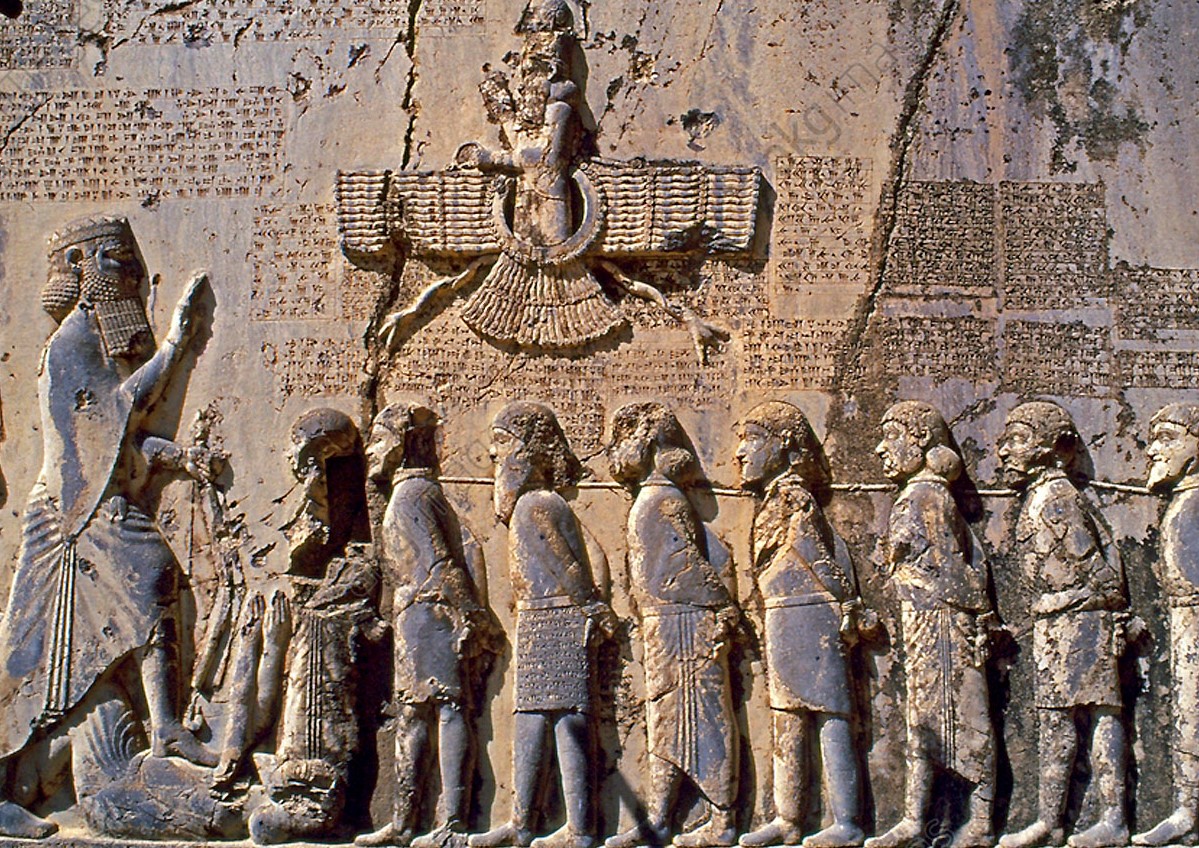
The Achaemenid Persian Empire was, at its height, the largest empire the ancient world had ever seen. Stretching from the Aegean coast of Anatolia to the Indus Valley, from the steppes of Central Asia to the deserts of Egypt, it governed more than forty million people across dozens of languages, religions, and cultures — and it did so, for most of its history, with a sophistication that its later conquerors found impossible to ignore.
Yet for many readers, the Achaemenids remain a civilisation glimpsed only in passing: the adversaries at Marathon and Thermopylae, the empire that fell to Alexander, the backdrop to a Greek story. The depth and originality of Persian thought, administration, art, and statecraft rarely receive the attention they deserve.
This project is an attempt to change that.
Omar Khayyam Project
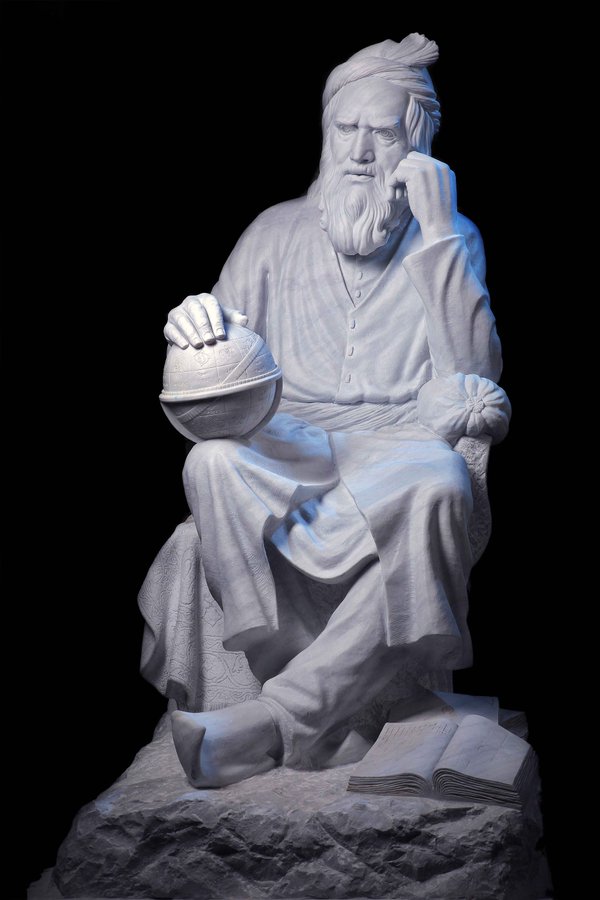
Omar Khayyam remains one of the most misunderstood figures of the medieval Persian world. Celebrated in the West as a poet of wine, fate, and fleeting pleasure, he was in truth a mathematician, astronomer, philosopher, and logician whose intellectual work stood at the crossroads of science, metaphysics, and existential reflection. Behind the famous quatrains lies a thinker deeply engaged with questions of necessity, knowledge, creation, mortality, and the limits of human certainty.
This project brings together essays, translations, and philosophical studies dedicated to Khayyam’s world of thought. At its centre is Philosophy in Verse — an ongoing thematic translation and interpretation of the quatrains read against Khayyam’s own treatises and the intellectual tradition of his time. Rather than treating the Rubāʿīyyāt merely as lyrical poetry, the project approaches them as fragments of a broader philosophical voice shaped by logic, scepticism, cosmology, and the tension between reason and revelation.
Alongside the quatrains, the project explores Khayyam’s writings on ontology, determinism, metaphysics, and the structure of existence, while also examining the historical environment of Seljuk Persia in which he lived and wrote. The aim is not only to translate Khayyam’s words, but to restore the intellectual atmosphere from which they emerged — where mathematics, astronomy, philosophy, and poetry still belonged to a single pursuit of truth.
Princess of Pasargadae
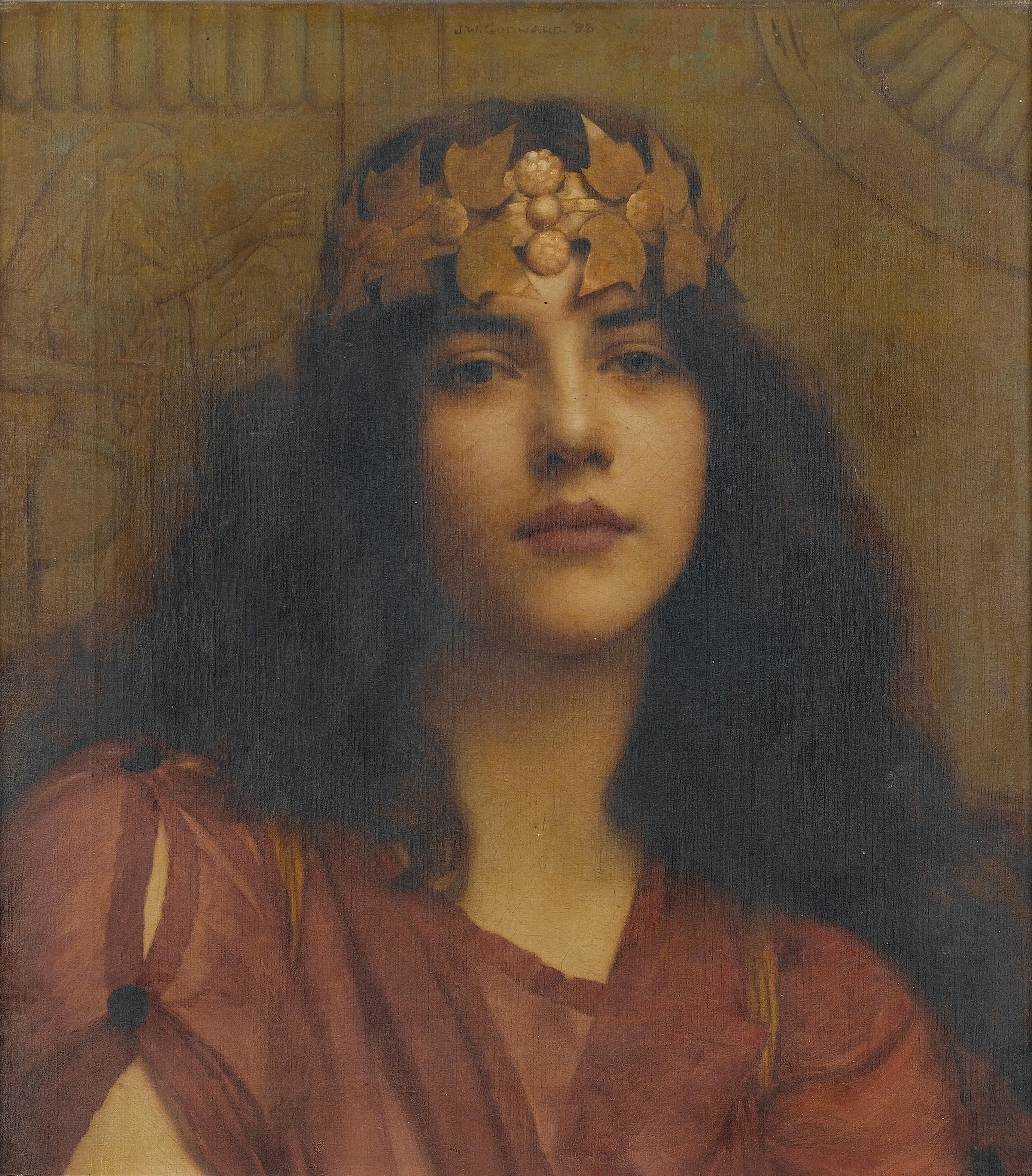
Atossa is the daughter of Cyrus the Great, sister to a king who will not live, and witness to a usurpation that the official histories will spend decades explaining away.
She is not a general, a satrap, or a priest. She has no army and no throne. What she has is memory — of what her mother warned her, of what her father’s letters actually said, of who was in the room when the story changed — and the intelligence to know that memory, in the right hands, is its own kind of power.
Princess of Pasargadae follows Atossa across the most violent decades of the early Achaemenid Empire: the death of Cyrus, the unravelling of Cambyses’ reign, the revolt of Bardiya — real prince or audacious impostor — and the rise of Darius I, a man who rewrote history in stone and expected it to stay written.
It is a novel about what women know that no inscription records. About the weight of surviving when the people you loved did not. About the distance between the story a dynasty tells about itself and the truth that one witness carries in silence for the rest of her life.


