
No. 6
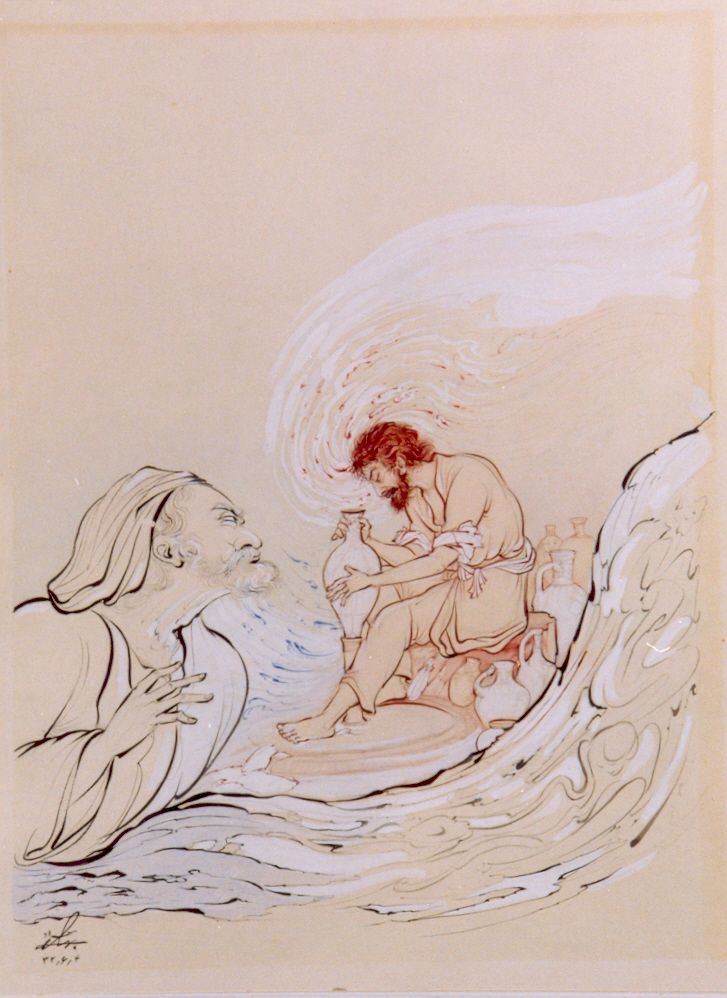
O Lord, for me a door of sustenance implore,
And send it not through mortal favour’s store;
Keep me so deeply drunk on wine’s repose,
That in unknowing, pain can trouble me no more. *
Philosophical Reflection
The poem opens as a prayer — direct address to God, the conventional form of a petition. The first two lines seem entirely orthodox: open for me a door of sustenance, and deliver it free of debt to any human being. This is a recognisable piety. To receive one’s livelihood directly from God, without the social obligation that accumulates when a person depends on another’s generosity, is not an unusual wish. The first couplet could have come from any devout man in any century.
The third and fourth lines break the pattern entirely. The second request is: keep me so drunk on wine that through unknowing I have no pain. The shift is abrupt and deliberate. The prayer that opened in conventional terms now asks God to be the guarantor of intoxication. What Khayyam wants is not wine’s pleasure but its specific effect — the suspension of awareness. He wants to be drunk enough that pain cannot find him. The mechanism for this divine protection is the wine cup.
The first request is theologically pointed. Khayyam addresses God in His capacity as creator: you brought me into existence, now sustain me — and do so directly, not through other created beings. The word behind “mortal favour” refers specifically to other creatures, God’s own creation. To receive sustenance routed through them is to be dependent not just on their generosity but on a God who apparently cannot — or will not — provide for His own creation without intermediaries. Khayyam refuses that arrangement. The prayer asks the creator to honour the obligations that creation itself imposes: if God chose to make him, God is responsible for keeping him alive, without the humiliation of owing that survival to a fellow creature.
The second request deepens the first. Existence is painful; but knowing that you exist — that you are a conscious creature placed in a creation you did not choose — is more painful still. Khayyam does not ask to be spared suffering in the ordinary sense. He asks to be drunk enough to lose awareness of the fundamental condition: the bare fact of being. Wine here is not pleasure but anaesthesia. The prayer asks God to maintain a state of blessed unawareness — not ignorance of this or that difficulty, but ignorance of existence itself as a burden.
What the two requests share, read together, is an implicit indictment of the act of creation. Khayyam asks God to provide what creation demands — sustenance, directly, without recourse to other creatures — and then asks to be shielded from awareness of the very existence God has given him. In his treatise on the world and the nature of duty, Khayyam examines the obligations that fall on both creator and creature; what this quatrain does is press those obligations back onto God. The prayer never states the charge directly. But it is there in the architecture: if existence requires this — dependence on God alone for survival, and wine to bear the consciousness of being alive — then God’s decision to create is the silent subject of every line.
Footnote
* Source: Tarabkhaneh, Homaei, no. 6, translated by Kam Austine for Philosophy in Verse
یارب بگشای بر من از رزق دری
بی منّت مخلوق رسان ما حضری
از باده چنان مست نگه دار مرا
کز بیخبری نباشدم درد سری
Related Treatises:
Risāla fī al-Kawn wa al-Taklīf (On the World and the Duty)
Necessity of Contradiction in the World, Determinism, and Immortality
Risāla dar ʿIlm Kulliyāt-e Wujūd (On the Universals of Being)
Internal Themes: #Prayer #Contentment #Unknowing #WineAsAnaesthesia #CreatorObligation #Nihilism #Theology
Published as part of the Philosophy in Verse series — under “Meaning & Doubt” and “The Challenge of Creation.”
Translated by Kam Austine


Leave a comment